

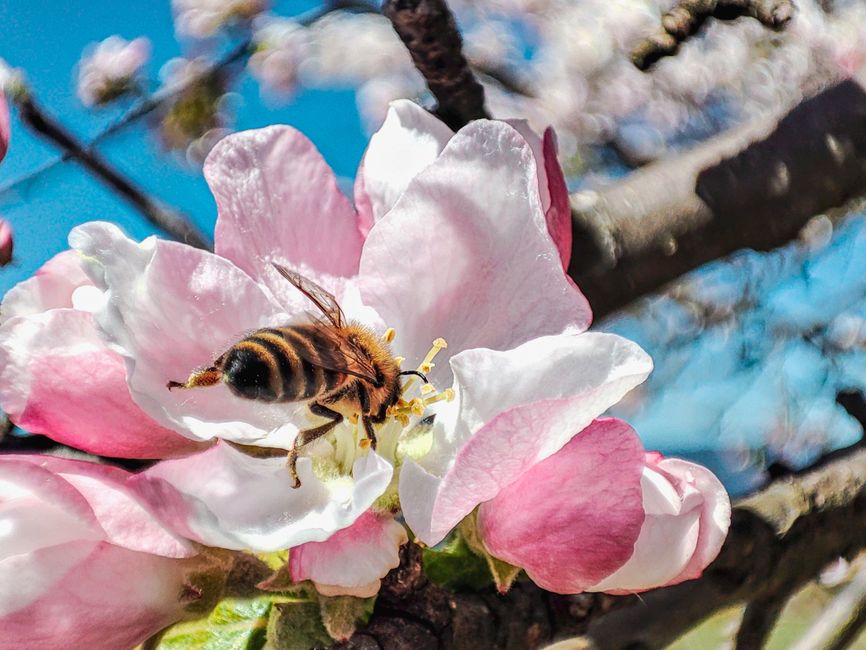
Honey bees are among the most important insects on Earth, playing a critical role in agriculture, biodiversity, and the health of our environment. While many people associate honey bees with producing delicious honey, their contributions extend far beyond the beehive. From pollinating crops to supporting ecosystems, the benefits of honey bees affect nearly every aspect of human life.
Without honey bees and other pollinators, many of the fruits, vegetables, nuts, and seeds we enjoy would become more difficult and expensive to produce. Understanding the benefits of honey bees helps us appreciate why protecting these hardworking insects is essential for future generations.
1. Honey Bees Are Essential for Pollination
One of the greatest benefits of honey bees is their ability to pollinate flowering plants. Pollination occurs when pollen moves from the male reproductive structures of a flower to the female reproductive structures, allowing fertilization and seed production.
Honey bees visit thousands of flowers while collecting nectar and pollen. As they travel between blossoms, pollen attaches to their bodies and transfers to other flowers. Many agricultural crops benefit from honey bee pollination, including:
- Apples and pears
- Almonds
- Blueberries and cherries
- Cucumbers and pumpkins
- Watermelons and cantaloupes
- Avocados
- Strawberries
Some crops depend heavily on insect pollination, while others experience improved yields, fruit quality, or consistency when honey bees are present. According to the United Nations Food and Agriculture Organization, approximately 75% of global food crop types depend at least partly on pollinators. This includes honey bees, wild bees, butterflies, and other animals.
2. Honey Bees Support Global Food Production
Another important benefit of honey bees is their contribution to the world's food supply. Commercial beekeepers transport millions of honey bee colonies to agricultural areas every year, helping farmers pollinate crops during flowering seasons.
For example, California's almond industry depends heavily on managed honey bee colonies. Every spring, beekeepers transport colonies from across the United States to pollinate almond orchards. Without adequate pollination, many farms would experience lower production and higher operating costs.
Honey bees also help support livestock agriculture indirectly. Crops such as alfalfa and clover produce seeds through insect pollination, although specialized wild bees can be especially effective pollinators of certain forage crops. The benefits of honey bees extend throughout the agricultural economy, helping farmers, food processors, grocery stores, and consumers.
3. Honey Bees Produce Natural Honey
Honey production is perhaps the most recognizable benefit of honey bees. Worker bees collect nectar from flowering plants and bring it back to their hive. Through enzymatic activity and moisture reduction, bees transform nectar into honey and store it inside honeycomb cells. Honey provides bees with an energy-rich food source, particularly during periods when flowers are unavailable.
For humans, honey offers several advantages:
- A natural sweetener for foods and beverages
- A long shelf life when properly stored
- Antioxidant compounds that vary depending on floral sources
- Culinary uses in baking, cooking, and food preservation
- Potential soothing effects for some coughs
Medical-grade honey also has specialized applications in wound care under appropriate medical guidance. Although honey contains beneficial compounds, it is still primarily sugar and should be consumed in moderation. Honey should never be given to infants younger than 12 months because of the risk of infant botulism. To learn how honey is collected, see our guide to honey harvesting.

4. Honey Bees Help Maintain Biodiversity
The benefits of honey bees are not limited to agricultural fields. Honey bees visit many flowering plants in forests, grasslands, gardens, and other natural environments. Their pollination activities can help certain plants reproduce and produce seeds. Flowering plants provide food and habitat for birds, mammals, insects, and other wildlife. When plant populations thrive, they contribute to healthier ecosystems.
However, honey bees are only one part of the pollinator community. Native bees, moths, butterflies, beetles, flies, and hummingbirds also provide essential pollination services. In some environments, high concentrations of managed honey bees can compete with native pollinators for limited floral resources. Protecting biodiversity therefore requires supporting a diverse range of pollinating species rather than focusing exclusively on honey bees — see our guide to pollinator gardening.
5. Honey Bees Produce Valuable Beeswax
Beeswax is another valuable product created by honey bees. Worker bees produce wax through specialized glands on their abdomens. They use this material to construct the hexagonal honeycomb cells that hold honey, pollen, and developing bees.
Humans have used beeswax for thousands of years. Today, beeswax is commonly found in candles, lip balms, lotions, furniture polish, cosmetics, and certain food coatings. Unlike petroleum-based waxes, beeswax is a renewable biological material produced naturally by healthy honey bee colonies. Beeswax products also provide an additional source of revenue for beekeepers, helping support small agricultural businesses — the same engineered comb is central to how a bee hive bar works in a top-bar hive.

6. Honey Bees Support Local Economies
One of the often-overlooked benefits of honey bees is their economic importance. Beekeeping supports numerous industries, including agriculture, honey production, equipment manufacturing, and specialty food businesses. Local beekeepers can generate income by selling honey, beeswax, nucleus colonies, queens, and pollination services.
Farmers benefit from access to healthy honey bee colonies, particularly when growing crops that require insect pollination. Small-scale beekeeping can also create opportunities for rural entrepreneurship. Local honey businesses, farmers markets, and agricultural tourism operations help keep money circulating within communities. In rural areas, beekeeping can provide supplemental income while encouraging greater awareness of environmental conservation.
7. Honey Bees Help Gardens and Orchards Thrive
Home gardeners can experience the benefits of honey bees firsthand. Honey bees visiting backyard gardens may improve pollination for plants such as cucumbers, squash, melons, and fruit trees. Better pollination can result in increased fruit production and improved fruit development.
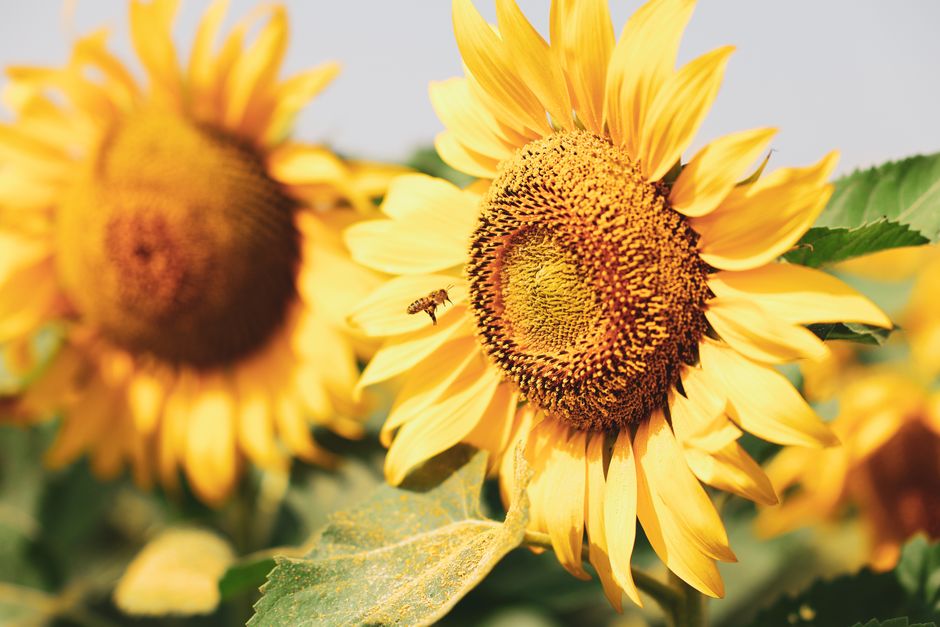
Gardeners can attract honey bees and other beneficial pollinators by planting flowers that bloom throughout the growing season. Excellent flowering plants include sunflowers, lavender, clover, asters, and native wildflowers. Providing clean water, reducing unnecessary pesticide applications, and maintaining diverse flowering plants can help create pollinator-friendly landscapes. Importantly, gardeners do not need to own a beehive to support pollination. Creating habitat for native bees and other pollinators can be equally valuable.
8. Honey Bees Provide Educational Opportunities
Honey bees offer fascinating opportunities to learn about biology, environmental science, and social behavior. A honey bee colony operates through an organized social structure consisting of a queen, workers, and drones. Each member contributes to colony survival. Worker bees perform tasks such as cleaning cells, feeding larvae, guarding the hive, regulating temperature, and collecting food.
Honey bees also communicate through movements commonly called the waggle dance, which helps other workers locate valuable food sources. Studying honey bees teaches important lessons about cooperation, ecological relationships, and the complexity of insect behavior. Schools, community gardens, and agricultural organizations frequently use beekeeping programs to introduce students to environmental stewardship. Our primer on honeybee biology is a good starting point.
9. Honey Bees Contribute to Scientific Research
Another fascinating benefit of honey bees is their importance in scientific research. Researchers study honey bees to better understand insect navigation, learning, memory, genetics, and communication. Honey bees can navigate substantial distances and return to their colonies using visual landmarks, sunlight, and other environmental cues.
Scientists also study how pesticides, parasites, diseases, nutrition, and habitat changes affect colony health. Research involving honey bees can improve agricultural practices and help scientists develop better strategies for protecting pollinators. Healthy honey bee colonies also provide valuable information about flowering resources and environmental conditions, although colony health alone cannot measure the overall health of an ecosystem.
10. Protecting Honey Bees Helps Protect Our Future
Understanding the benefits of honey bees also means recognizing the challenges they face. Honey bee colonies can be affected by several serious threats, including:
- Varroa destructor mites and associated viruses
- Pesticide exposure
- Poor nutrition and loss of flowering habitat
- Diseases and other parasites
- Extreme weather and changing climate conditions
- Inadequate colony management
The Varroa mite is particularly damaging because it feeds on developing and adult honey bees and spreads harmful viruses. Beekeepers must carefully monitor colonies and use appropriate management techniques to control mite populations — see our bee health guide and our explainer on whether honey bees are endangered.
Individuals can support honey bees by planting pollinator-friendly flowers, purchasing honey from responsible local beekeepers, and minimizing unnecessary pesticide use. Supporting habitat conservation and native pollinators is equally important for maintaining healthy ecosystems.
Conclusion: Why the Benefits of Honey Bees Matter
The benefits of honey bees reach far beyond the honey jar. These remarkable insects support food production, agricultural economies, flowering plants, scientific research, and countless small businesses. Their pollination services help farmers grow many of the nutritious foods people consume every day. Meanwhile, honey and beeswax provide valuable natural products used around the world.
Although honey bees are important, protecting all pollinators is essential for maintaining biodiversity and resilient ecosystems. By understanding the benefits of honey bees and taking practical steps to support pollinator health, individuals and communities can help protect an important part of our agricultural and environmental future.
Every flower planted, every responsibly managed hive, and every effort to conserve pollinator habitat can contribute to a healthier world. If you'd like to help at home, our beekeeping starter kit guide covers what you need, and our guide to splitting a beehive shows how to grow your apiary.