Beekeeping Tips
20 Practical Beekeeping Tips from the Apiary
Small habits, big difference. These are the lessons that new beekeepers learn slowly — you can learn them now.
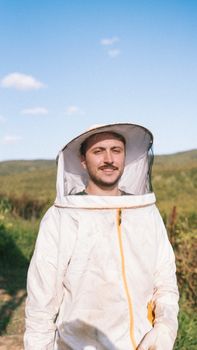 Emma MarloweFounder & Head Beekeeper 7 min read
Work from the side. Never stand in the entrance's flight path — you'll meet the guards.
Light the smoker properly. Cool white smoke calms bees; hot smoke and flames annoy them.
Keep a logbook. Dates, weather, brood, mites, and actions. Patterns appear only in writing.
Inspect with a purpose. Decide what you're checking before you open the lid, then close up.
Less is more. Every inspection costs the colony energy. Aim for the minimum useful visits.
Give space before they need it. Crowded spring colonies swarm. Add boxes early.
Monitor mites, don't guess. Alcohol wash or sugar roll — treat on numbers, not fear.
Weigh, don't hope. Heft hives monthly in fall — a light hive usually means a dead hive.
Buy local bees. Regional stock is adapted to your climate and pests.
Start with two hives. Comparison, spare frames, and insurance against losing one.
Lift with your legs. A full honey super is 60+ lb. Use a cart or a friend.
Level the hive. Crooked hives build crooked comb — check with a level at setup and after storms.
Provide water before neighbors complain. A pebble-filled dish beats your neighbor's pool.
Keep frames in order. Return every frame the way it came out — colonies organize by position.
Never leave comb open. Robbers find it fast. Use a covered bucket or a closed box.
Store drawn comb dry and dark. Wax moths and mice love a neglected box.
Mark your queen. Finding her becomes seconds instead of minutes — and you'll know her age.
Join a club. Mentors answer in minutes what books take chapters to explain.
Buy quality where it counts. A good suit and a reliable smoker change your whole experience.
Be patient. Bees keep their own schedule. Your job is to help, not to hurry them.
Turn tips into practice
Pair these habits with the printable Beginner Checklist and the Beekeeping Calendar, and you'll be ahead of most first-year beekeepers.