
Why Keep Bees at All?
People start beekeeping for honey, for the garden, or simply for the fascination of it. Whatever your reason, know this: the value is in the keeping — the honey is a lovely bonus. It's also a hobby with real responsibilities: you're caring for a living, complex animal colony, and some years (and winters) you will lose hives. That's part of the craft, and every beekeeper you meet has buried a few.
How Much Does It Cost to Start Beekeeping?
Plan on $300–$700 to start your first hive in the US, depending on hive style, bee source, and how much you build yourself (building your own boxes saves a lot). Here's the honest line-item breakdown:
| Expense | Typical range | When |
|---|---|---|
| Beginner course or club dues | $0–$150 | Before you buy anything |
| Langstroth hive kit (unassembled) | $150–$300 | Winter, before bees arrive |
| Protective gear (jacket + gloves) | $60–$150 | Same time |
| Smoker + hive tool | $40–$70 | Same time |
| Package of bees (3 lb) | $120–$200 | Pre-ordered in winter |
| First-season supplies (feed, mite treatment, extra frames) | $50–$150 | Throughout season |
Year two is cheaper — maybe $100–$250 for treatments, feed, and replacements — and a nuc or split can let you grow the apiary without buying more package bees. Deep-dive budget guide: Getting Started.
The Essential Equipment List
Beginners need surprisingly little. The non-negotiables:
- A hive — boxes, frames, foundation, bottom board, cover, entrance reducer.
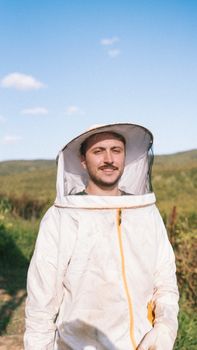
- Protective gear — a ventilated jacket with attached veil (or full suit) and elbow-length gloves.
- A smoker and fuel (pine needles, burlap, cardboard).
- A hive tool — you'll use it at every visit.
- A feeder (entry or top) and sugar for syrup.
- Mite monitoring — a jar, alcohol or powdered sugar, and a counting board.
Skip the deco gear: hive stands you can improvise, fancy extractors until you have honey to extract. Our curated list: Recommended Gear.
Package, Nuc, or Swarm?
For most beginners, a nuc is the smoothest start: an established mini-colony on frames that walks straight into your hive. Packages are cheaper but build from zero, and swarms are best attempted with a mentor. Full comparison and install walkthroughs: Your First Beehive.
Buy local when you can. Bees bred for your region are adapted to its winters, summers, and pests — and local breeders can answer questions all season. Order early: breeders sell out by late winter.
Your First Season, Month by Month
- Winter: take a course, join a club, order bees and equipment.
- Early spring: assemble and place the hive; install bees when the weather allows; feed syrup.
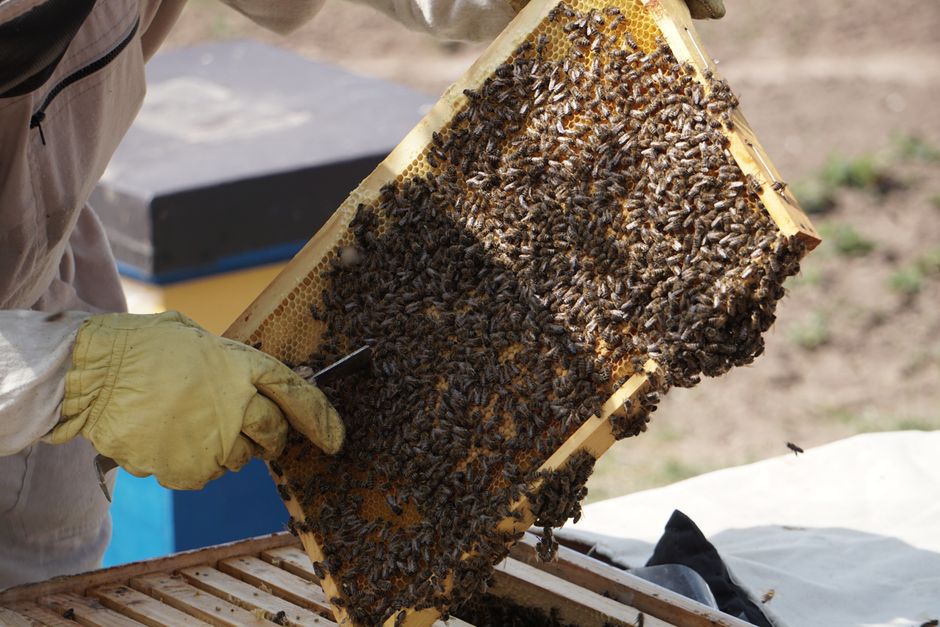
- Spring: weekly-or-so inspections — eggs, brood pattern, queen, space. Watch for swarm preparations.
- Summer: add supers for the flow; keep ventilation up; monitor mites monthly.
- Late summer/fall: harvest (if there's surplus), treat mites, feed to weight for winter.
- Winter: monitor entrance, check weight, keep moisture out, plan the spring.
The printable version: Beekeeping Calendar and Beginner Checklist.
The Uncomfortable Truths
- You will lose hives. Even good beekeepers lose 20–30% of colonies some winters — mites, weather, queen failure.
- Stings happen. Rare with good gear and calm moves; occasional regardless. Most keepers build tolerance.
- "Treatment-free" isn't beginner-friendly. Mite management is non-negotiable for most of us. See Bee Health.
None of this should scare you off — knowing it upfront is exactly what makes beekeepers successful. Ready? Start with How to Start Beekeeping.