

Learn About Honeybees
Understand workers, drones, queens, colonies, and how a honeybee colony actually functions.
Honeybee BasicsThe friendly, evidence-based beekeeping guide
Learn how to start your first hive, care for your bees, harvest honey, and choose the right beekeeping equipment with simple, practical guides from Honeybees 101.
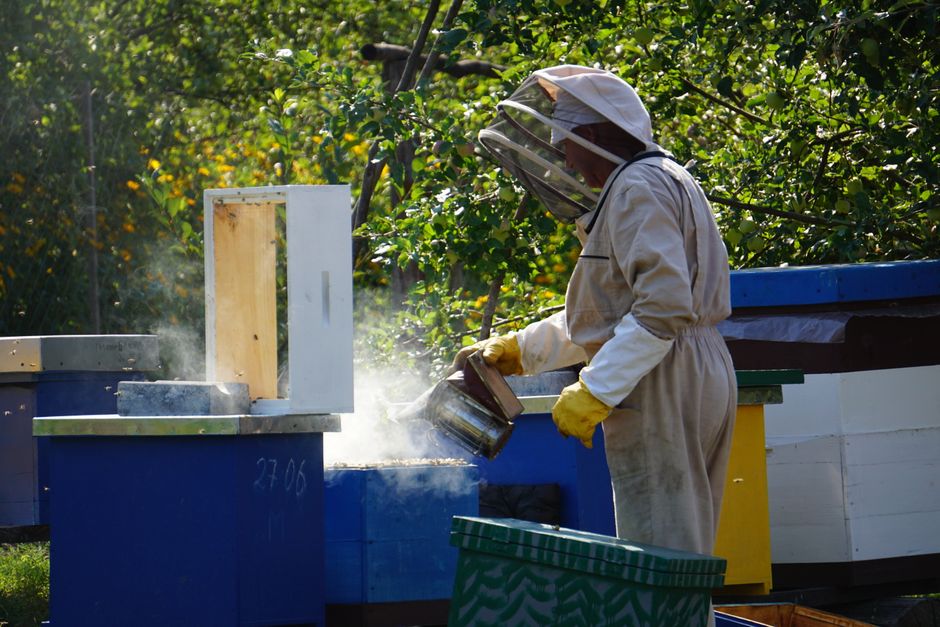
Start here
Four friendly paths into the world of honeybees. Pick one — every path is designed for a complete beginner.
Understand workers, drones, queens, colonies, and how a honeybee colony actually functions.
Honeybee Basics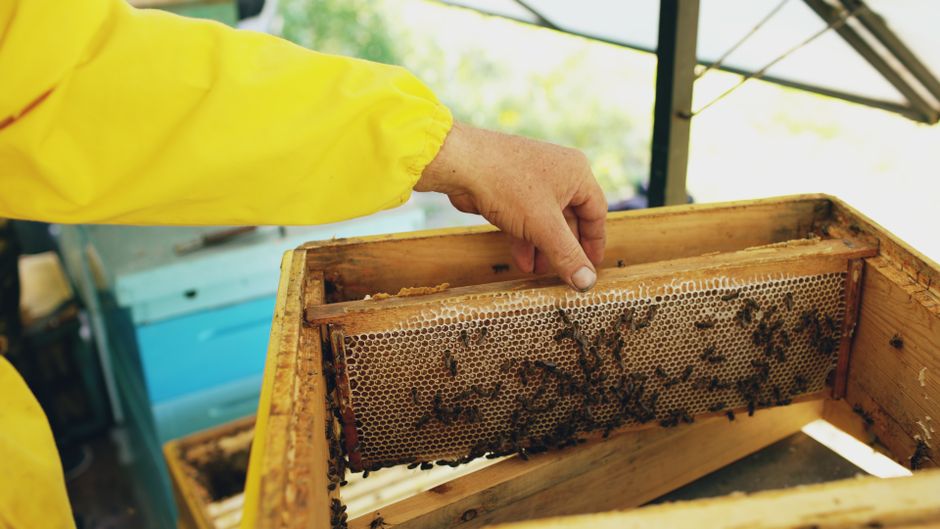
A step-by-step guide explaining what a new beekeeper needs before purchasing bees.
Getting Started
Learn about hives, protective clothing, smokers, tools, feeders, and other essential equipment.
Beekeeping Equipment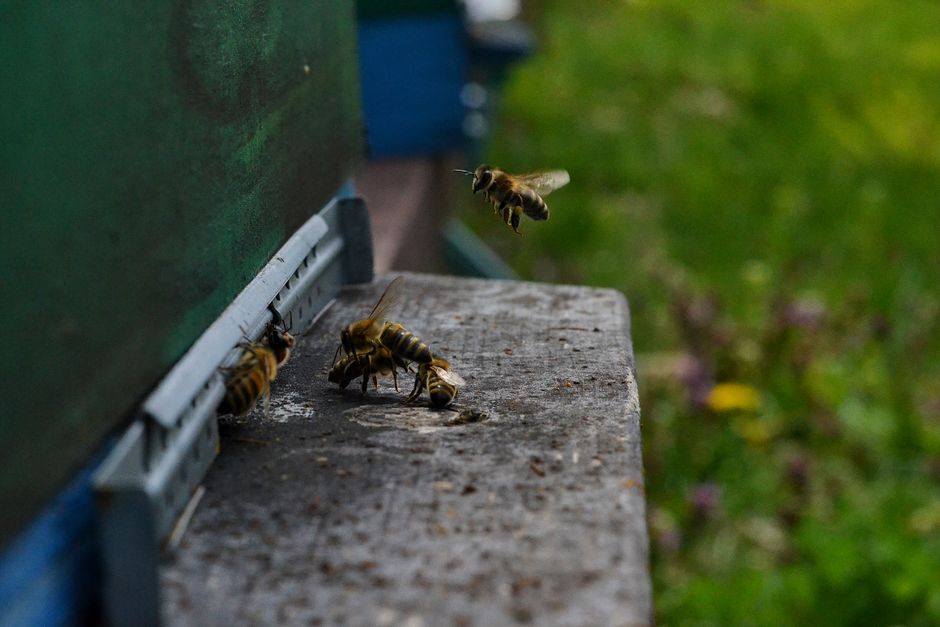
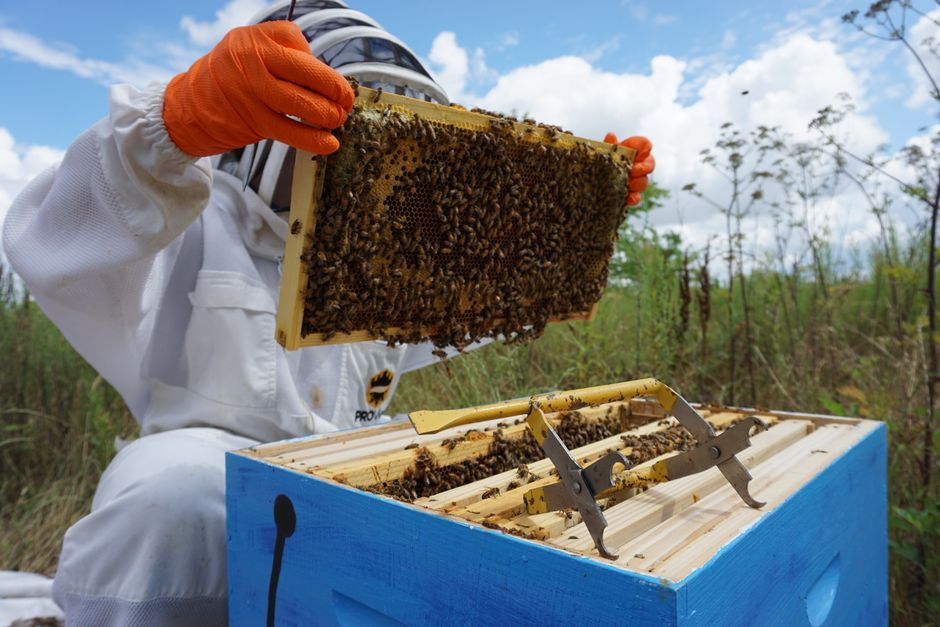
Packages, nucs, swarms, queens — and how new beekeepers establish their first colony.
Buying BeesFeatured articles
Start with the guides most beginners read first — clear, practical, and written to be followed in order.
Beginner Beekeeping
The honest big picture: costs, time, space, commitment — and what to do first.
Read More →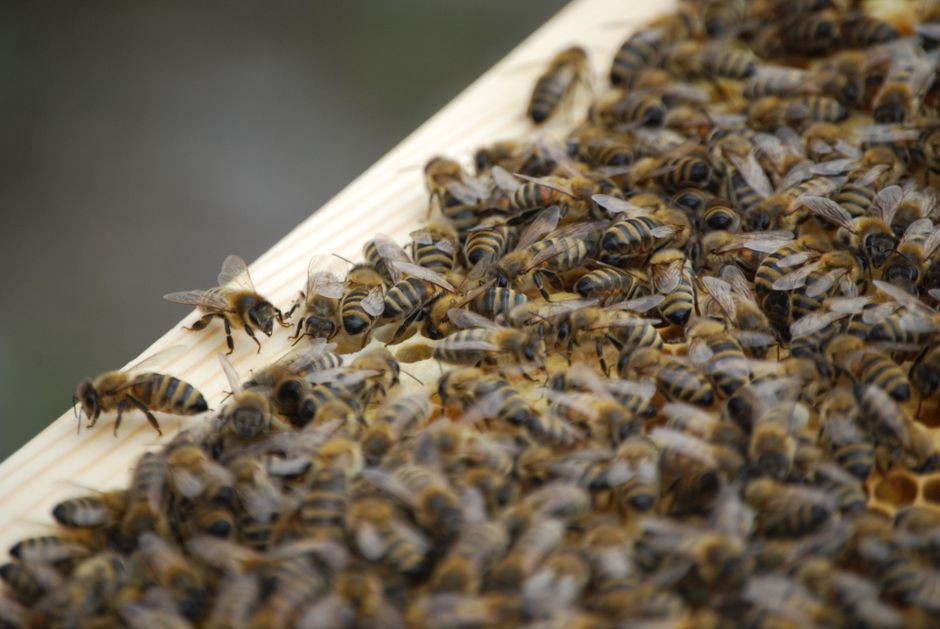
Queens & Colonies
A realistic first-year budget — hives, bees, gear, and the costs people forget.
Read More →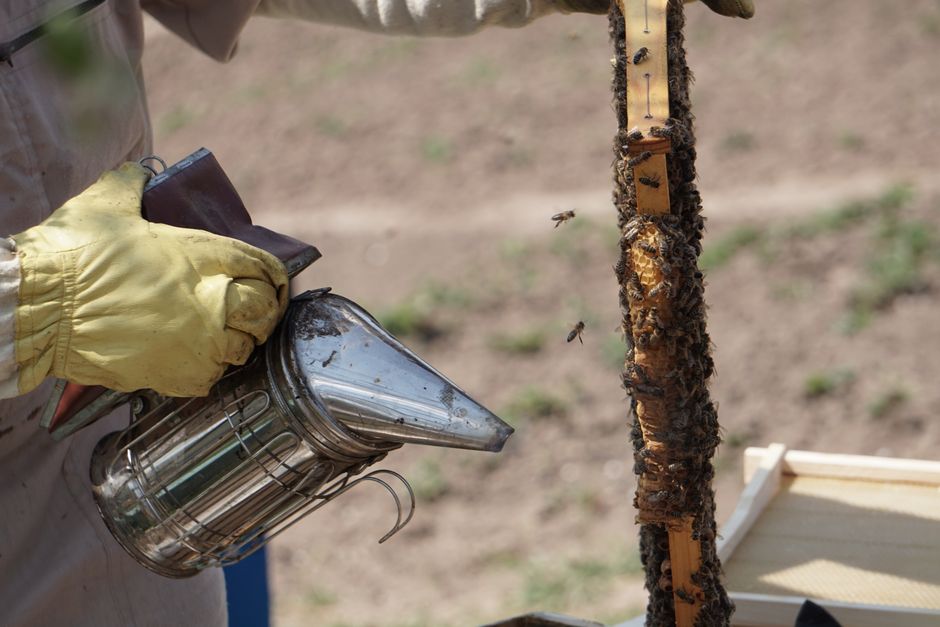
Equipment & Gear
The essential list — nothing you don't need, nothing you'll regret skipping.
Read More →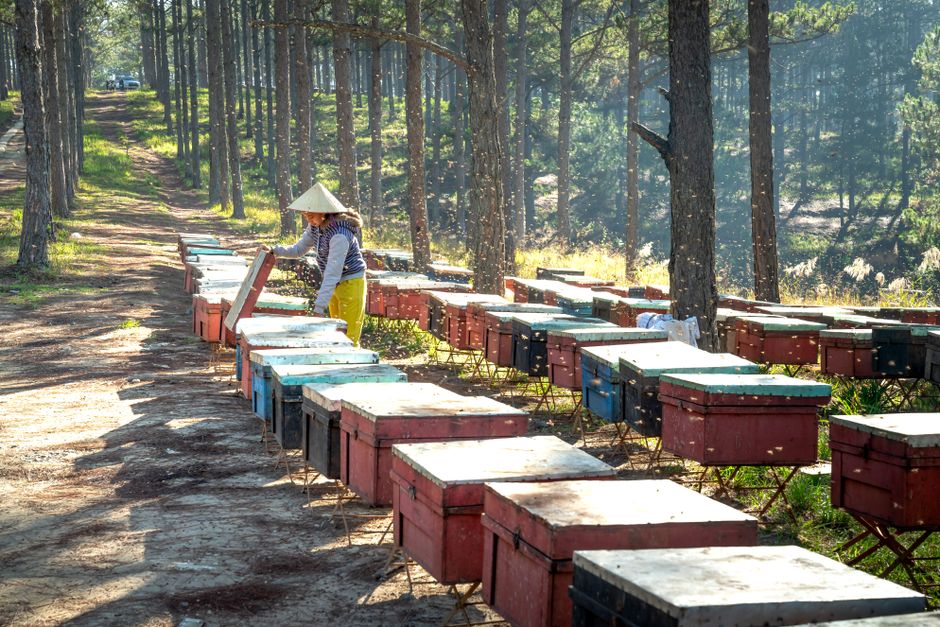
Equipment & Gear
Which hive style suits your goals, your back, and your bees?
Read More →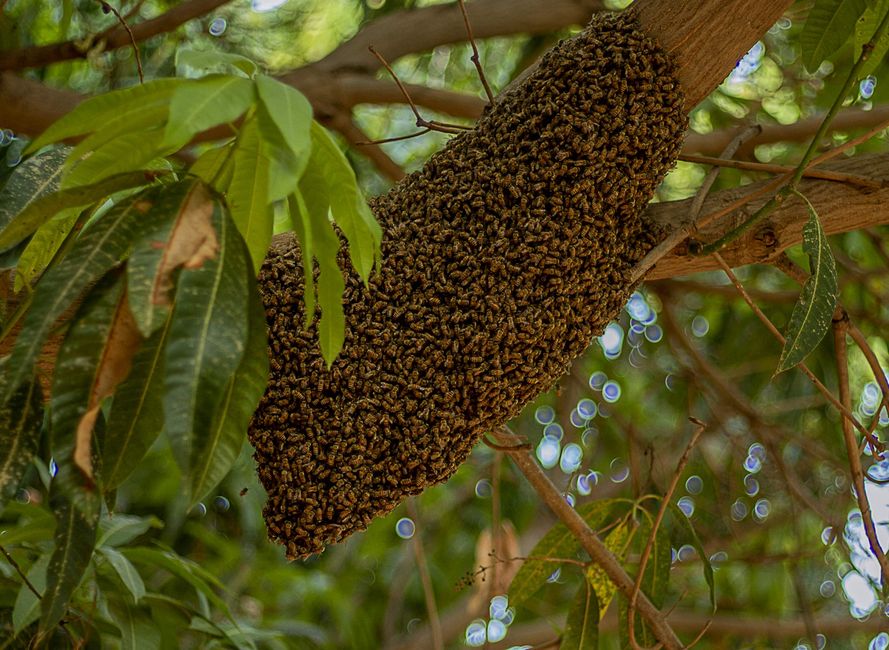
Your First Beehive
Shaking 10,000 bees into a new hive — calmly, and by the book.
Read More →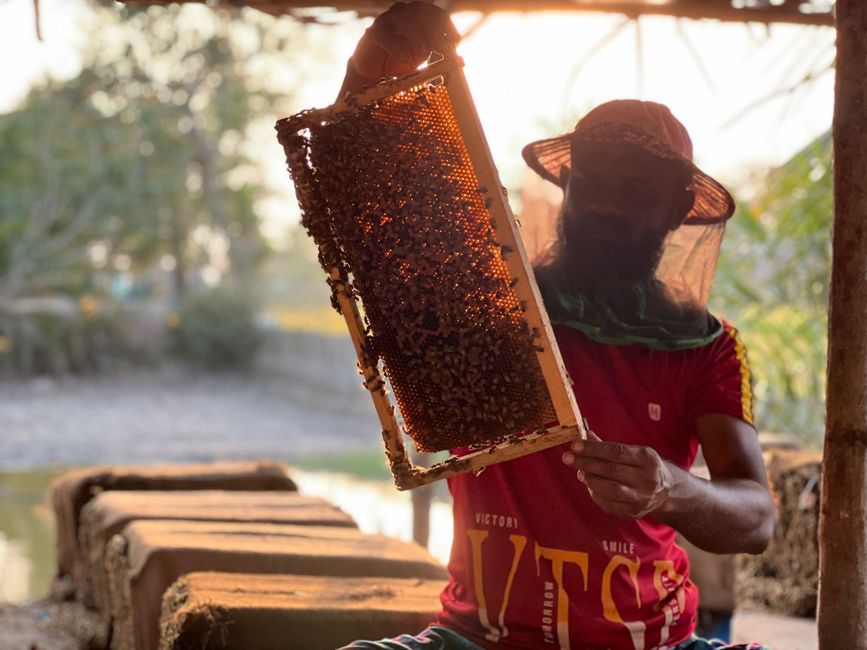
Hive Management
A calm, checklist-style walkthrough of opening your hive for the first time.
Read More →
Honey Harvesting
Reading capped honey, moisture, and knowing when the colony can spare it.
Read More →
Seasonal Beekeeping
Food stores, moisture, mice guards, and the feeding numbers that matter.
Read More →Your roadmap
The eight stages of a successful first season. Follow them in order and you'll know exactly where you are — and what comes next.
Step 1
Read before you buy. Understand bees, costs, and your local rules.
Step 2
Hive, suit, smoker, tools — buy the essentials first, upgrade later.
Step 3
Placement, leveling, entrance orientation, and morning sun.
Step 4
Order a package or nuc from a local supplier for your climate.
Step 5
Weekly checks: eggs, brood, queen, stores — without over-opening.
Step 6
Monitor for Varroa mites and treat when thresholds say to.
Step 7
Wait for capped frames, extract, strain, and bottle cleanly.
Step 8
Feed to weight, reduce the entrance, and protect the cluster.
Curated picks
The gear we'd actually buy for a first season — tested categories, honest "best for" notes, and current prices checked at the retailer.
Affiliate Disclosure: Honeybees 101 participates in affiliate programs, including the Amazon Associates Program and eBay Partner Network. We may earn a commission when you purchase through qualifying links on our website, at no additional cost to you.
Best for beginners
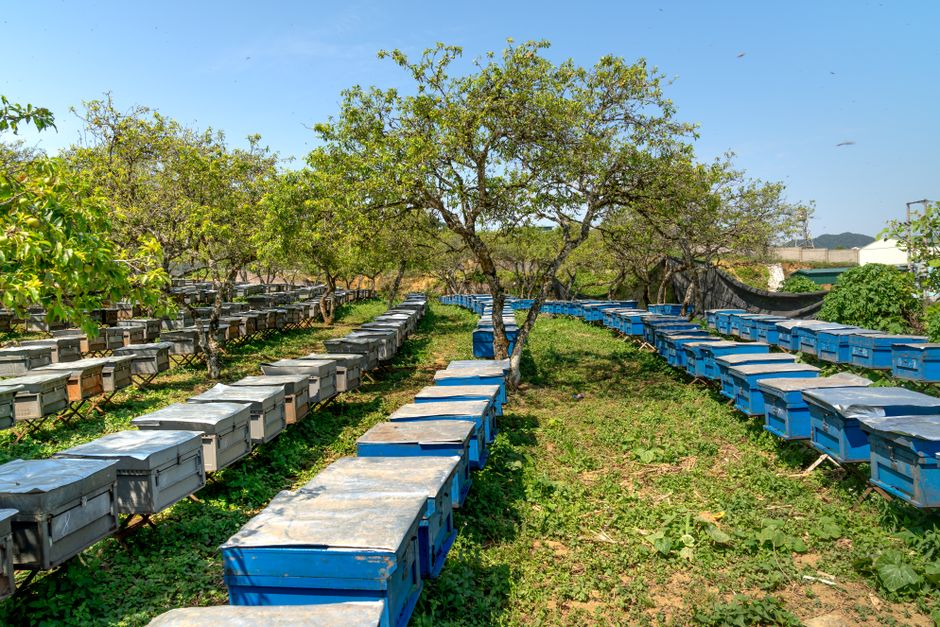
A complete Langstroth kit — boxes, frames, foundation, and tools — to get you started with one purchase.

Best for confidence
Full suits for nervous first inspections; ventilated jackets for hot summer afternoons.
Best for calm hives
A reliable smoker turns grumpy inspections into cooperative ones. Heat-shielded models last for decades.
Best for harvest
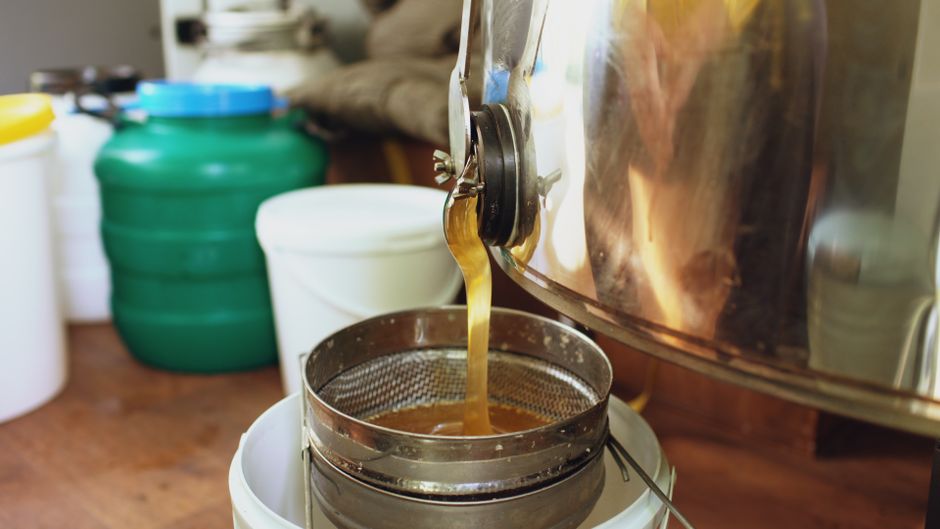
A 2-frame manual extractor suits most backyard apiaries; add an uncapping knife and strainer.
The bee year
Beekeeping is a year-round rhythm. Here's what the colony needs from you in each season.

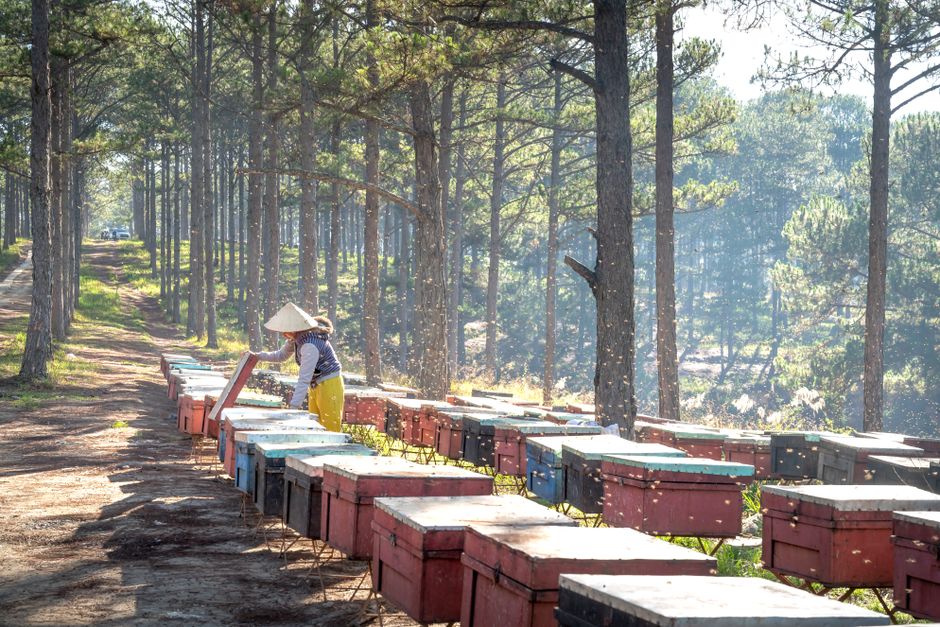
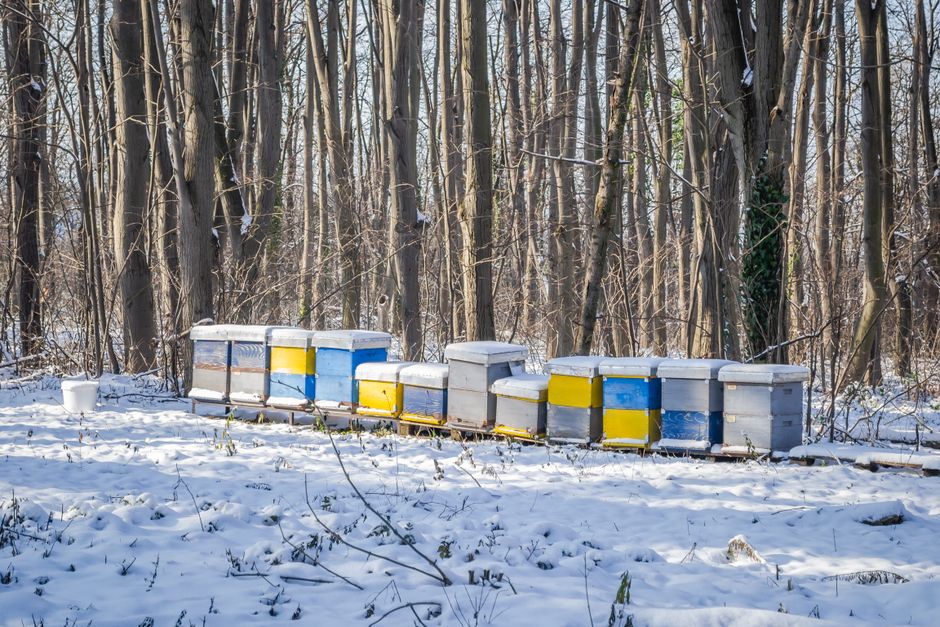
Hive monitoring, food stores, moisture control, equipment prep, planning for spring.
Winter guidesHoneybee education
A honeybee colony is one of nature's most organized societies. Learn the cast of characters and the wonders they perform.
Mother of the colony — laying up to 2,000 eggs a day, she is surrounded and tended by her daughters.
All female, all busy: nursing, building comb, guarding, foraging — each job on its own schedule.
The colony's only males — raised in spring for mating flights, and gently expelled when winter nears.
Bees share directions to flowers with a figure-eight dance — angle and duration encode the route.
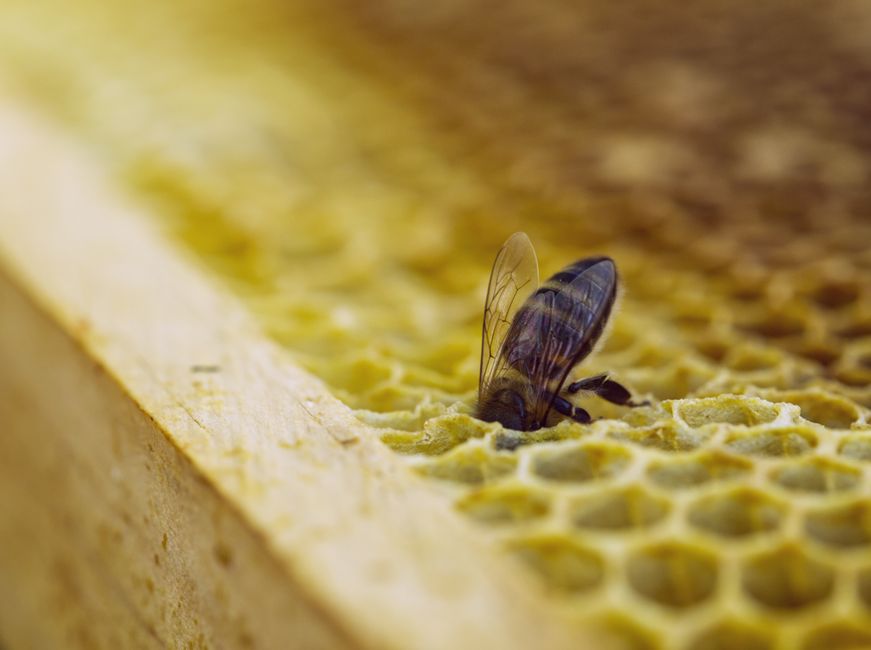
Nectar is collected, passed bee-to-bee, dried by fanning wings, and sealed with wax when ripe.
One third of the food we eat benefits from pollinators — honeybees do a huge share of the visiting.
The hexagon packs the most storage in the least wax — an elegant answer to a geometry problem.
The colony's natural way of reproducing — half the bees leave with the old queen to found a new home.
Why trust us
Beekeeping advice can affect living colonies, so we treat it seriously. Every guide is checked against authoritative research and extension recommendations, and we flag when climate or local regulations change the answer.
Free newsletter
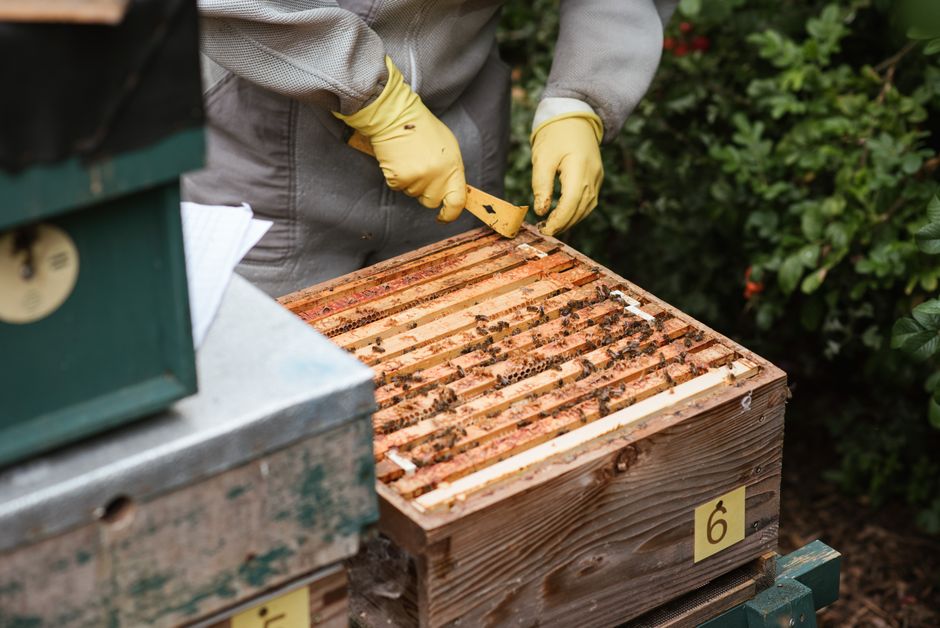
Get seasonal beekeeping tips, new articles, equipment recommendations, and helpful hive reminders delivered to your inbox.
No spam. Unsubscribe anytime. We never sell your email.