

Your First Hive Inspection
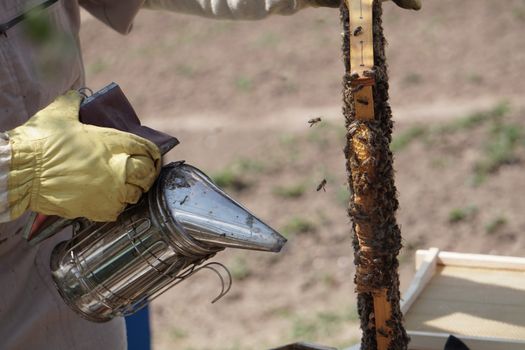
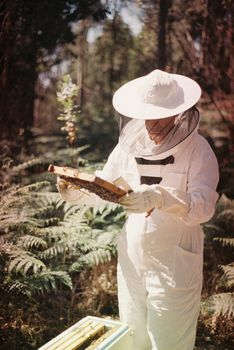
Aim for a calm, purposeful visit: choose a warm, still day, suit up, light the smoker, and work from the side of the hive — never stand in the flight path. Lift the cover slowly, puff a little smoke at the entrance, and take the outermost frame out first to create working room.
Check for these five things, in this order:
- Space: are the bees crowded? Do they need another box?
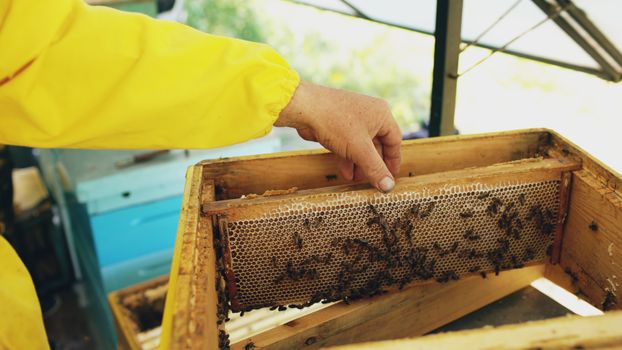
- Queen evidence: eggs (tiny white grains in cell bottoms), young larvae, and a solid brood pattern.
- Stores: honey and pollen near the brood — the colony's pantry.
- Health: spotty brood, sunken cappings, or deformed wings are red flags.
- Pests: Varroa (see the alcohol wash below), small hive beetles, wax moths in weak hives.
Keep it short. A full inspection every 7–10 days during the active season is plenty. Open too often and the colony spends energy repairing rather than growing.
Reading the Brood Pattern
A healthy frame shows a solid, compact dome of brood with eggs and larvae at the center. A "shotgun" pattern — scattered, patchy cappings with empty cells — often means an old or failing queen, or disease. Learn to spot the difference before you requeen: see Queens & Colonies.
Adding Space at the Right Time
The most common beginner mistake in spring is waiting too long to give bees room — crowded colonies swarm. Add a new box (or move frames outward) when:
- Bees are working seven or more of the ten frames in the top box.
- There's a strong nectar flow on, or a good one forecast.
- You see queen cups or swarm cells forming on the bottom edges of frames.
Stack supers below the honey chamber or above the brood nest depending on style, and keep the hive level.
Splits: Growing Your Apiary
A split divides a strong colony into two. It's the cheapest way to get more bees, it's the best swarm prevention, and it's the single most useful skill a second-year beekeeper can learn. The classic method: move 3–4 frames of brood, bees, and stores — plus the old queen — into a new box in a new location, then let the original colony raise a new queen from the eggs you left behind.
Timing matters. Split when drones are flying and there's a nectar flow — a new queen needs drones to mate. Local clubs publish the right window for your climate.
When and How to Feed
Feed sugar syrup to help bees draw comb and to top up stores when nature falls short. The standard mixes:
| Season | Syrup ratio | Purpose |
|---|---|---|
| Spring / comb-building | 1:1 (sugar:water) | Encourages wax production and brood rearing |
| Fall / winter stores | 2:1 (thicker) | Bees cap it quickly for winter food |
Never feed honey from unknown sources (it can spread disease), and stop syrup feeding when supers are on if you want clean, honey-only harvests.
Hive Management FAQs
How often should I inspect?
Every 7–10 days during the active season; every 2–3 weeks in a slow period. In winter, don't open the hive at all — check weight by tipping the box and watch the entrance instead.
What's the best time of day to inspect?
Midday on a warm, calm, sunny day, when most foragers are out. Avoid cold, windy, or rainy days — a full hive is a defensive hive.
Can I keep bees without feeding?
Sometimes — if the forage is exceptional and the colony is strong. But new colonies drawing comb almost always need syrup, and most colonies need fall feeding to reach winter weight. Keep it simple: feed when they need it.