


Beekeeping is a fascinating hobby that allows people to experience the incredible world of honeybees while producing their own honey. Whether you are a beginner or an experienced beekeeper, understanding the different components of a beehive is essential for maintaining a healthy and productive colony. One important component is the bee hive bar, which helps provide the structure honeybees need to build their comb.
A bee hive bar is commonly associated with top-bar beehives, although bars are also part of the frames used in traditional Langstroth hives. These simple wooden components provide support for honeycomb construction, brood development, and honey storage.
In this comprehensive guide, we will explore what a bee hive bar is, how it works, the different types available, and why it is important for successful beekeeping.
What Is a Bee Hive Bar?
A bee hive bar is a horizontal wooden strip that supports honeycomb inside a beehive. In a top-bar hive, the bar rests across the upper opening of the hive and provides a surface from which honeybees construct their natural comb.
Unlike traditional Langstroth frames, which typically have four wooden sides and often contain foundation, a top-bar hive uses individual bars without a surrounding frame. Honeybees attach their wax comb to the underside of each bar, gradually building downward as the colony grows.
The bee hive bar serves several important purposes:
- Supports natural honeycomb construction.
- Provides space for raising developing bees.
- Allows honeybees to store nectar, honey, and pollen.
- Helps beekeepers inspect individual combs.
- Makes natural-comb beekeeping possible without conventional frames.
Because top-bar hives allow bees to construct much of their own comb, they are popular among beekeepers interested in a simpler, foundationless approach. Our guide to choosing beehives compares top-bar and Langstroth designs.
How Does a Bee Hive Bar Work?
The basic concept behind a bee hive bar is straightforward. Honeybees naturally build wax comb to create space for their colony. When a wooden bar is positioned across the top of a hive, bees can use it as an attachment point.
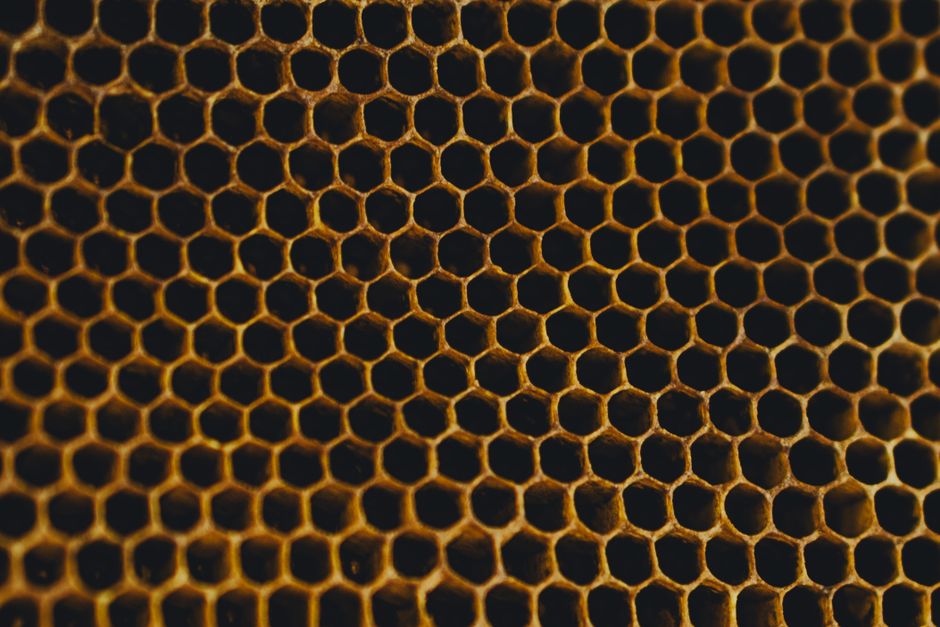
Worker bees produce beeswax from specialized glands and shape it into hexagonal cells. These cells are used to raise young bees, store pollen, and hold honey. In a properly designed top-bar hive, the bars are positioned side by side to help maintain suitable comb spacing. As the colony expands, bees build additional combs beneath neighboring bars.
A well-designed bee hive bar helps encourage straight comb construction, making inspections easier and reducing the likelihood of combs becoming attached to one another. However, beekeepers must monitor new comb construction because bees do not always build perfectly straight combs.

Different Types of Bee Hive Bars
Several styles of bee hive bar are used in modern beekeeping. Each design offers advantages depending on the type of hive and the beekeeper's goals.
1. Standard Top-Bar Hive Bars
The most recognizable bee hive bar is the standard wooden top bar used in horizontal top-bar hives. These bars usually span the width of the hive and are placed tightly together. Many designs use bars approximately 1⅜ inches wide, although dimensions vary depending on hive design and intended use. A standard bee hive bar is commonly made from untreated wood, such as pine.
2. Wedge-Shaped Hive Bars
A wedge-shaped bee hive bar features a triangular wooden guide attached to or formed along its underside. The wedge encourages honeybees to begin building comb in a straight line. This design can help reduce cross-combing, which occurs when bees build comb across multiple bars.
3. Starter-Strip Hive Bars
Some beekeepers attach a narrow strip of beeswax foundation to the underside of each bee hive bar. This starter strip provides a guide that encourages the bees to build their comb in the intended direction. Starter strips are especially helpful when establishing a new colony.
4. Langstroth Frame Top Bars
Traditional Langstroth hives also contain top bars, but they are incorporated into rectangular wooden frames. These frames generally provide greater support for comb during handling and honey extraction. Although the basic purpose is similar, a Langstroth frame top bar differs from the standalone bars used in horizontal top-bar hives.
Benefits of Using a Bee Hive Bar
The bee hive bar offers several advantages, particularly for beekeepers interested in natural-comb management.
- Natural comb construction: Bees can construct their own wax cells without relying entirely on manufactured foundation.
- Simplified hive design: Top-bar hives can be constructed with relatively basic woodworking tools and materials.
- Individual comb inspections: Beekeepers can remove a single comb to inspect brood, food stores, and colony health.
- Foundationless beekeeping: Many top-bar systems eliminate the need for full sheets of commercial foundation.
- Potentially lower equipment costs: A homemade top-bar hive may cost less to construct than some conventional hive setups.
However, natural-comb systems also require careful handling because unsupported wax comb can be fragile, especially during warm weather.
What Size Should a Bee Hive Bar Be?
Choosing the correct dimensions for a bee hive bar is essential for proper comb construction. Although exact measurements depend on the hive design, many top-bar beekeepers use the following dimensions:
| Measurement | Common size |
|---|---|
| Bar width | 1¼–1⅜ inches |
| Bar length | 17–20 inches |
| Bar thickness | Approximately ¾–1 inch |
| Material | Untreated pine or similar wood |
| Comb guide | Wooden wedge or beeswax starter strip |
The width of the bee hive bar is particularly important because it influences the spacing between adjacent combs. Incorrect spacing can encourage irregular construction and make hive inspections difficult.
How to Make Your Own Bee Hive Bar
Building a bee hive bar is a manageable woodworking project for someone with basic tools. Start by selecting straight, dry, untreated lumber. Pine is commonly used because it is affordable, lightweight, and easy to cut.
Measure the internal width of your hive and determine the appropriate bar length, including enough material for the ends to rest securely on the hive walls. Cut the wood into strips of the correct width, ensuring each bar has consistent dimensions.
Next, add a comb guide along the underside. This can be accomplished by attaching a narrow wooden strip, creating a wedge, or cutting a shallow groove that can hold beeswax. Finally, sand rough edges and check that the bars fit properly across the hive. Avoid applying chemical wood preservatives to surfaces that will contact the bees or their comb.
Common Bee Hive Bar Problems
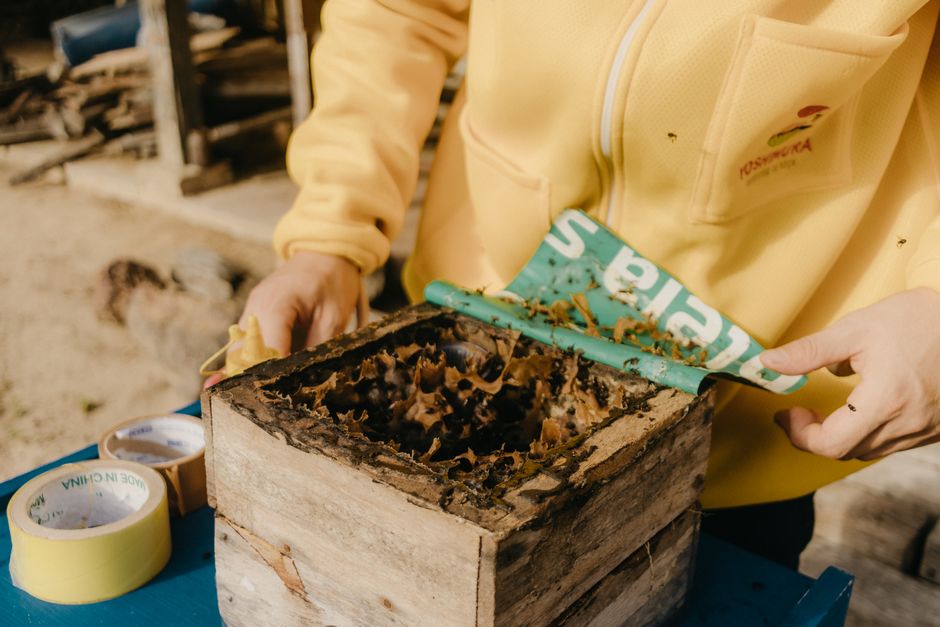
Even a properly constructed bee hive bar can present challenges. One common issue is cross-combing, where bees construct wax comb across two or more bars. This makes inspections difficult and increases the risk of damaging comb.
Another problem is comb breakage. Fresh natural comb is delicate, especially when filled with honey. Beekeepers should keep combs upright during inspections rather than rotating them flat. Propolis buildup can also cause adjacent bars to stick together; a hive tool can help separate them carefully. Regular inspections during active comb construction can help identify these problems before they become serious.
Bee Hive Bar vs. Traditional Beehive Frames
The choice between a bee hive bar and a conventional Langstroth frame depends largely on the beekeeper's goals.
| Feature | Top-bar hive | Langstroth hive |
|---|---|---|
| Comb support | Single wooden bar | Four-sided frame |
| Foundation required | Usually no | Optional |
| Comb construction | Primarily natural | Natural or foundation-guided |
| Honey harvesting | Often crush and strain | Commonly centrifugal extraction |
| Equipment | Relatively simple | More standardized |
| Comb durability | More fragile | Generally stronger |
Traditional Langstroth equipment is widely used in commercial honey production, while top-bar hives appeal to many hobbyists interested in natural-comb beekeeping. Neither design eliminates the need for proper colony inspections, disease prevention, or Varroa mite management — our bee health guide covers the essentials.
Frequently Asked Questions About Bee Hive Bars
Can honeybees build comb without a bee hive bar?
Yes. Honeybees naturally construct wax comb in hollow trees, building cavities, and other protected spaces. A bee hive bar simply provides an organized attachment point inside a managed hive.
How many bars does a top-bar hive need?
Many horizontal top-bar hives accommodate approximately 20–30 bars, although the exact number depends on the hive's length and design.
Can you harvest honey from a bee hive bar?
Yes. Beekeepers can remove mature honeycomb from a bar and use the crush-and-strain method to separate honey from wax — see our guide to honey harvesting. Honey should be harvested only from suitable, capped stores while leaving adequate food for the colony.
How long does a bee hive bar last?
A properly maintained wooden bar can last for many years. Replace bars that become damaged, warped, or structurally unreliable.
Final Thoughts: Is a Bee Hive Bar Right for Your Beekeeping Setup?
A bee hive bar may be a simple piece of equipment, but it plays an important role in supporting healthy honeycomb construction. For backyard beekeepers interested in natural-comb management, a horizontal top-bar hive offers an alternative to conventional stacked hive systems.
Understanding proper bee hive bar dimensions, comb guides, maintenance, and inspection techniques can help you establish a more manageable colony. Whether you purchase ready-made bars or build your own, choosing a dependable design will make beekeeping easier and more enjoyable.
With proper equipment, consistent colony management, and an understanding of honeybee behavior, a bee hive bar can become an essential part of a successful backyard apiary. For curated picks, see our recommended gear.