
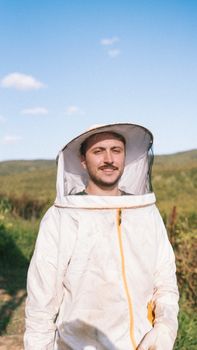

Starting your own beehive can be one of the most rewarding outdoor hobbies. Whether you're interested in harvesting fresh honey, helping local pollinators, or simply learning about honeybees, having the right equipment is essential. A quality beekeeping starter kit provides the basic tools and supplies needed to establish and maintain your first honeybee colony.
For beginners, purchasing a beekeeping starter kit can eliminate much of the guesswork involved in selecting equipment. Instead of buying individual items and potentially forgetting something important, you can purchase a collection of essential supplies designed to work together.
What Is a Beekeeping Starter Kit?
A beekeeping starter kit is a collection of equipment designed to help beginners establish and manage a honeybee colony. Most kits include a beehive, protective clothing, and basic tools used for inspecting and maintaining the colony.
However, not every beekeeping starter kit contains the same items. Some inexpensive kits only include protective gear and tools, while more comprehensive packages include a complete hive setup. Before purchasing a kit, it's important to understand what equipment you'll actually need. A good starter kit should provide the foundation for successfully managing your first colony while allowing room for expansion as your experience grows. For a broader walkthrough, see our getting-started guide.
10 Essential Items Every Beekeeping Starter Kit Should Include
These are the items that turn a box of parts into a working first apiary. We link each item to the relevant section of our own shop so you can compare options in one place.
1. Langstroth Beehive
The most important component of a beekeeping starter kit is the beehive itself. The Langstroth hive is one of the most popular designs in the United States. It uses removable frames that allow beekeepers to inspect colonies and harvest honey. A basic hive setup includes a bottom board, brood box, frames, inner cover, and outer cover. Additional boxes can be added as the colony grows.
2. Protective Beekeeping Suit
A protective suit is essential for beginners. Honeybees generally aren't aggressive unless they feel threatened, but inspections can disturb the colony. A good suit includes a secure veil, durable fabric, and closures that help prevent bees from entering. Some starter kits provide a jacket and veil rather than a full-body suit. You can also compare options in our bee suit guide.
3. Beekeeping Gloves
Protective gloves help reduce the likelihood of being stung while handling frames and hive equipment. Leather gloves with extended cuffs are common in beginner kits. As beekeepers become more experienced, some prefer thinner gloves for improved dexterity. Beginners should prioritize protection and comfort — see our beekeeping gloves guide.
4. Hive Tool
A hive tool is one of the most frequently used pieces of beekeeping equipment. Bees produce propolis, a sticky substance that seals gaps and holds hive components together. The hive tool allows you to separate boxes, loosen frames, scrape excess wax, and remove propolis. A stainless-steel hive tool is durable and easy to clean.
5. Bee Smoker
A bee smoker is another essential item in a beekeeping starter kit. Cool smoke helps calm the colony during inspections by disrupting alarm signaling. A quality smoker should have a protective heat shield, reliable bellows, and sufficient fuel capacity. Always use suitable untreated fuel and avoid directing hot smoke at bees. Our bee smoker guide covers what to look for.
6. Bee Brush
A bee brush allows beekeepers to gently move bees away from frames or hive surfaces. This tool is particularly useful when inspecting brood frames or preparing honey frames for harvesting. Look for a brush with soft bristles to reduce the risk of injuring bees.
7. Frames and Foundation
Frames provide the structure where bees build honeycomb, raise brood, and store honey and pollen. Many beginner kits include wooden or plastic frames with wax-coated foundation. Make sure the frames are compatible with your hive boxes. Standardizing equipment makes future expansion much easier.
8. Bee Feeder
Newly established colonies sometimes require supplemental feeding, particularly when natural nectar sources are limited. Common options include entrance feeders, frame feeders, and top feeders. A starter kit that includes a feeder can be particularly helpful when installing a package of bees or a nucleus colony. See our hive feeders guide.
9. Varroa Mite Monitoring Supplies
Varroa mites are among the most serious threats to managed honeybee colonies. A comprehensive beekeeping starter kit should include mite-monitoring supplies or provide room in your budget to purchase them. Monitoring methods include alcohol washes and other sampling techniques. Beekeepers should learn local treatment recommendations and follow approved product labels — our guide to bee health explains the basics.
10. Beekeeping Guide and Inspection Journal
Beginners benefit from a reliable educational guide covering colony inspections, seasonal management, queen health, feeding, and disease prevention. An inspection journal allows you to document colony growth, brood patterns, food reserves, and mite counts. These records help identify problems before they become serious.
Ready to gear up? Browse the full beekeeping starter sets and individual hives, suits, smokers and tools at our own shop, honeybees101.shop.
How Much Does a Beekeeping Starter Kit Cost?
The price of a beekeeping starter kit depends on the equipment included, materials, and manufacturer. The following are general budgeting estimates rather than current retailer quotes.
| Starter kit type | Estimated cost |
|---|---|
| Basic tools and protective equipment | $75–$150 |
| Beginner hive and equipment kit | $150–$300 |
| Comprehensive starter kit | $300–$500+ |
| Package bees or nucleus colony, often sold separately | $150–$250+ |
A complete first-year setup may cost approximately $400 to $900 or more after purchasing bees, additional hive components, mite-management supplies, and feeding materials. Although inexpensive kits may seem attractive, quality equipment can save money over time. Durable hive boxes, reliable protective gear, and compatible frames can last for years with proper care.
Does a Beekeeping Starter Kit Include Bees?
One of the most common questions beginners ask is whether a beekeeping starter kit includes live honeybees. Most equipment kits do not include bees. Bees are generally purchased separately from local breeders or reputable suppliers. There are two common options.
Package bees: A package typically contains a measured quantity of worker bees and a separately caged queen. The beekeeper installs the bees into an empty hive and allows the colony to establish itself.
Nucleus colony: Often called a nuc, this is a small, established colony containing a queen, workers, brood, and food stores on several frames.
For beginners, a nucleus colony may provide a faster start because it already contains drawn comb and developing brood. Always verify that the bees and frames are compatible with your hive equipment.
Choosing the Best Location for Your First Beehive
Purchasing a beekeeping starter kit is only the beginning. Choosing a suitable location for your hive is equally important. Select a location that offers morning sunlight, good drainage, and protection from strong winds. The hive should be accessible for inspections and positioned away from heavily traveled walkways.
Bees also need a dependable water source. Providing shallow water with stones or floating landing surfaces can help prevent drowning. Before installing a colony, review local ordinances, property restrictions, and any state registration or inspection requirements. Our guide to setting up your first beehive covers siting in more detail.
Common Mistakes When Buying a Beekeeping Starter Kit
New beekeepers sometimes focus entirely on purchasing the cheapest available equipment. However, this approach can create problems later. One common mistake is buying hive boxes and frames that are incompatible with standard equipment. Another is overlooking protective clothing or mite-monitoring supplies.
Some beginners also assume that purchasing a beekeeping starter kit guarantees a successful honey harvest during the first year. In reality, newly established colonies often need much of their first season to build comb, expand their population, and store enough food for winter. Avoid harvesting excessive honey from a young colony. Maintaining healthy bees should always take priority over honey production.
Should Beginners Start With One or Two Beehives?
Although a beekeeping starter kit is often designed for one colony, many experienced beekeepers recommend beginning with two hives when finances and space allow. Having two colonies provides an opportunity to compare their development. If one colony becomes weak or queenless, the second may offer management options that wouldn't be available with a single hive.
However, two hives also require additional equipment, time, and money. For someone with a limited budget, starting with one well-managed colony is a reasonable approach, especially with guidance from a local beekeeping association.
Is a Beekeeping Starter Kit Worth Buying?
For most beginners, purchasing a beekeeping starter kit is a convenient way to enter the hobby. A well-designed kit provides compatible equipment, reduces confusion, and allows you to focus on learning how to manage honeybees.
However, it's important to compare the contents of different kits. The best value isn't necessarily the package with the most accessories. Instead, look for durable hive components, essential inspection tools, quality protective equipment, and room for expansion. You should also consider joining a local beekeeping club or taking a beginner course before your bees arrive. Hands-on instruction can be extremely valuable during your first season. For our curated picks, see recommended gear.
Final Thoughts: Finding the Right Beekeeping Starter Kit
Beekeeping offers the opportunity to observe one of nature's most fascinating insects while supporting pollination and potentially producing your own honey. Choosing the right beekeeping starter kit is an important first step toward building a successful apiary.
Look for a kit containing a Langstroth hive, protective suit, gloves, smoker, hive tool, bee brush, frames, foundation, and feeder. Budget separately for live bees, mite monitoring, seasonal supplies, and additional hive equipment.
Most importantly, remember that successful beekeeping requires patience, education, and consistent colony management. With the right beekeeping starter kit and a willingness to learn, your first colony can become the beginning of a rewarding hobby that lasts for many years.