
Honey bees are among the most important insects on Earth, playing a vital role in agriculture, biodiversity, and the health of our environment. Every year, Honey Bee Day provides an opportunity to recognize these hardworking pollinators, celebrate beekeepers, and raise awareness about the challenges facing honey bee populations.
Whether you're an experienced beekeeper, a gardening enthusiast, or someone who simply enjoys honey, Honey Bee Day is the perfect occasion to learn more about these fascinating insects and discover ways to protect them.
Save the date: National Honey Bee Day is the third Saturday of August — August 15 in 2026.
When Is Honey Bee Day Celebrated?
In the United States, National Honey Bee Day is celebrated on the third Saturday of August each year. In 2026, Honey Bee Day falls on August 15.
Originally known as National Honey Bee Awareness Day, this annual celebration was established to promote beekeeping, educate the public about honey bees, and encourage conservation efforts.
Honey Bee Day is different from World Bee Day, which is celebrated internationally on May 20 each year.
Both celebrations share a common purpose: recognizing the importance of bees and encouraging people to protect these essential pollinators.
Throughout the United States, beekeeping associations, agricultural organizations, environmental groups, and local communities organize activities to celebrate Honey Bee Day.
These events often include honey tastings, beekeeping demonstrations, educational workshops, and opportunities to observe live honey bee colonies.
Why Honey Bees Are So Important
Honey bees contribute significantly to food production through pollination. As they travel between flowers collecting nectar and pollen, they transfer pollen between blossoms, allowing many plants to produce fruits, vegetables, nuts, and seeds.
Approximately one-third of the food we eat benefits directly or indirectly from animal pollination.
Honey bees are especially valuable because they live in large colonies and can be managed by beekeepers to pollinate agricultural crops.
Some familiar crops that benefit from honey bee pollination include:
- Almonds
- Apples
- Blueberries
- Cherries
- Cucumbers
- Pumpkins
- Watermelons
- Avocados
- Various berries
Although many other insects and animals contribute to pollination, managed honey bees play a particularly important role in commercial agriculture — see our guide to the American honey bee.
Honey Bee Day reminds us that protecting pollinators is essential to maintaining a reliable and diverse food supply.
The Fascinating Life Inside a Honey Bee Colony
One of the most interesting aspects of Honey Bee Day is learning how honey bee colonies function.
A healthy honey bee colony may contain tens of thousands of bees during the active season. Each bee has a specialized role that helps the colony survive. For the full picture, see our honeybee biology overview.
The Queen Bee
The queen is the primary reproductive female in a honey bee colony. During peak conditions, a productive queen may lay more than 1,000 eggs per day.
Her pheromones also help maintain colony organization and social cohesion. Learn more in our article on queens jelly and how a queen bee is created.
Worker Bees
Worker bees are female bees responsible for nearly every task inside and outside the hive.
Their duties include collecting nectar, gathering pollen, feeding developing larvae, building honeycomb, cleaning the hive, and defending the colony.
As workers age, their responsibilities generally change, with older bees often becoming foragers. Our deep dive into the worker bee covers her entire life cycle.
Drone Bees
Drones are male honey bees whose primary biological role is mating with queens from other colonies.
Unlike worker bees, drones do not have stingers and do not collect nectar or pollen.
Understanding these roles helps explain why honey bee colonies are among nature's most remarkable examples of cooperation.
How Honey Bees Make Honey
Honey production is one of the most fascinating processes visitors can learn about during Honey Bee Day.
The process begins when worker bees collect nectar from flowering plants. They store the nectar in a specialized internal organ called the honey stomach and transport it back to the hive.
Inside the colony, bees transfer and process the nectar, adding enzymes that help break down complex sugars.
The bees then reduce the nectar's moisture content through evaporation, including by fanning their wings.
Once the honey reaches an appropriate moisture level, the bees seal it inside wax honeycomb cells.
Honey provides an important energy source for the colony, especially during winter when flowering plants are unavailable.
The flavor, color, and aroma of honey depend largely on the flowers visited by the bees. Clover, orange blossom, buckwheat, and sourwood are examples of popular honey varieties — our honey harvesting guide covers extraction and bottling.
Major Threats Facing Honey Bees
Honey Bee Day also highlights the environmental challenges facing honey bees and other pollinators.
Although honey bees are managed worldwide, individual colonies face serious health threats that can cause substantial losses.
One of the most significant threats is the Varroa destructor mite, a parasite that feeds on honey bees and spreads damaging viruses.
Other challenges include pesticide exposure, poor nutrition, habitat loss, disease, and extreme weather.
Climate change can also affect the timing and availability of flowering plants, creating difficulties for colonies that depend on consistent nectar and pollen sources.
Beekeepers work to manage these threats through regular hive inspections, mite monitoring, disease prevention, and responsible colony management — our bee health guide explains how.
Protecting honey bees requires cooperation among farmers, gardeners, researchers, beekeepers, and local communities.
Seven Ways to Celebrate Honey Bee Day
You don't need to own a beehive to participate in Honey Bee Day. There are many simple and enjoyable ways to celebrate.
1. Plant Pollinator-Friendly Flowers
Create a garden featuring flowers that provide nectar and pollen throughout the growing season.
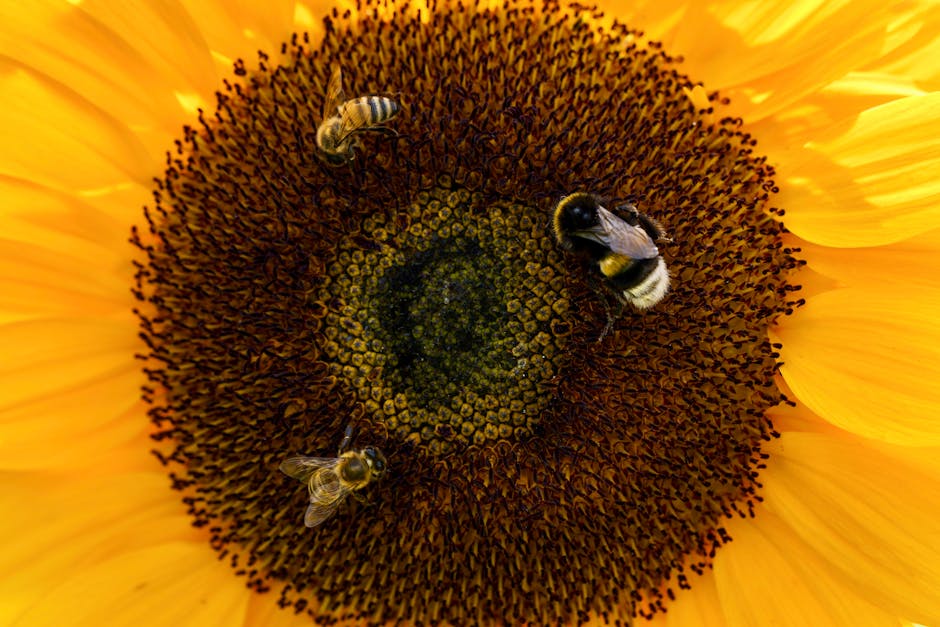
Sunflowers, coneflowers, asters, goldenrod, and native flowering plants are excellent choices when appropriate for your region. See our pollinator gardening guide for planting by season.
2. Buy Honey From Local Beekeepers
Support local beekeepers by purchasing honey produced in your community.
Local honey offers an opportunity to experience flavors influenced by the flowers and plants growing nearby. Browse our honey and gear shop to get started.
3. Visit a Local Apiary
Some beekeepers offer guided tours, educational demonstrations, or open-house events during Honey Bee Day.
Visitors can learn about hive equipment, colony organization, and honey harvesting. Our article on the honeybee farm shows what a working apiary looks like.
4. Reduce Unnecessary Pesticide Use
Avoid spraying flowering plants when bees are actively foraging.
When pest control is necessary, follow product labels carefully and choose methods that minimize risks to pollinators.
5. Create a Bee-Friendly Water Source
Honey bees need water to regulate hive temperature and support colony activities.
A shallow container with stones or other landing surfaces can provide bees with a safer place to collect water.
6. Attend a Beekeeping Workshop
Many local beekeeping associations offer introductory classes explaining the equipment, responsibilities, and costs associated with maintaining colonies. Find one in our beekeeping organizations directory, or start with our getting started guide.
7. Teach Children About Pollinators
Honey Bee Day provides an excellent opportunity to introduce children to pollination, biodiversity, and environmental conservation.
Educational activities might include planting flowers, observing bees from a safe distance, or learning how honey is produced.
Honey Bee Day in West Virginia
West Virginia offers an excellent environment for beekeeping, with forests, meadows, agricultural land, and abundant flowering plants.
The state's diverse landscape supports honey production from many nectar sources, including clover, wildflowers, tulip poplar, and sourwood.
Sourwood honey is especially prized throughout the Appalachian region for its distinctive flavor and limited seasonal availability.
West Virginia residents interested in celebrating Honey Bee Day can contact local beekeeping associations, visit farmers markets, or explore educational opportunities through the West Virginia Department of Agriculture and WVU Extension. Our helpful links page lists regional associations and resources.
Supporting regional beekeepers helps strengthen local agriculture while encouraging responsible pollinator management.
How to Get Started With Beekeeping
For people inspired by Honey Bee Day, starting a backyard apiary can become a rewarding hobby.
Beginning beekeepers typically need a hive, protective clothing, a smoker, a hive tool, and a colony of bees. A beginner kit bundles most of this.
However, successful beekeeping involves much more than purchasing equipment.
New beekeepers should learn about seasonal hive management, honey bee nutrition, colony inspections, Varroa mite control, and winter preparation — our beekeeping calendar and seasonal checklist help you stay on schedule.
Joining a local beekeeping association and working with an experienced mentor can significantly improve the learning experience.
Before installing a hive, beginners should also review local regulations and consider neighboring properties, water availability, and appropriate hive placement. Read the beginner FAQ and our guide to setting up a first beehive.
The Future of Honey Bees Depends on All of Us
Honey Bee Day is more than an annual celebration of honey and beekeeping. It is a reminder that pollinators are essential to healthy ecosystems, agricultural productivity, and the natural world.
Small actions can make a meaningful difference. Planting native flowers, supporting responsible beekeepers, reducing pesticide exposure, and preserving natural habitats all contribute to healthier environments for bees.
Whether you celebrate by purchasing a jar of local honey, attending a beekeeping event, or planting a pollinator garden, your participation helps spread awareness about these remarkable insects.
This Honey Bee Day, take a moment to appreciate the extraordinary work performed by honey bees every day. Their contribution extends far beyond the honey jar, helping sustain the plants, landscapes, and food systems that people depend upon.