

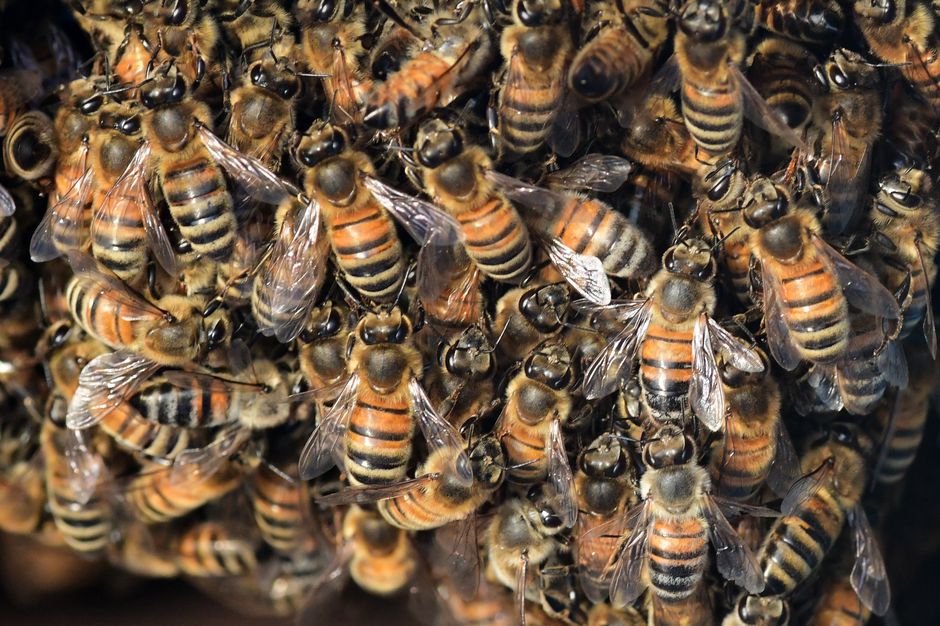
Finding a honey bee nest in house walls, ceilings, attics, or other hidden spaces can be alarming. While honey bees play an essential role in pollinating plants and supporting our food supply, having thousands of bees living inside your home can create safety concerns and potentially lead to expensive property damage.
If you have discovered a honey bee nest in house structures, understanding how to handle the situation safely is important. Unlike wasps or hornets, honey bees produce wax combs and store honey, which means simply killing the bees or sealing their entrance can create additional problems.
In this comprehensive guide, we'll explain how to identify a honey bee infestation, why bees enter homes, the safest removal methods, and how to prevent future colonies from moving into your property.
Quick answer: identify the insects, don't disturb or seal the colony, and contact a beekeeper or professional removal specialist. Killing the bees alone leaves honeycomb behind — and the problem comes back.
Why Do Honey Bees Build Nests Inside Houses?
Honey bees naturally search for enclosed, protected spaces where they can establish colonies. In the wild, these spaces often include hollow trees, rock cavities, and other sheltered locations — the same kinds of cavities we describe in our guide to the wild honey bee hive.
Unfortunately, residential buildings can offer similar conditions.
A honey bee nest in house walls or attics may develop because the structure provides protection from rain, wind, predators, and extreme temperatures.
Common locations include:
- Wall cavities between exterior siding and interior drywall
- Attics and roof spaces
- Chimneys and unused fireplaces
- Soffits and roof overhangs
- Spaces beneath flooring
- Voids around windows and exterior trim
Honey bees can enter through surprisingly small openings. Scout bees locate suitable cavities, and a swarm may eventually move into the structure.
Once established, worker bees begin constructing wax combs for raising young bees and storing honey and pollen.
Signs You Have a Honey Bee Nest in House Walls
Identifying a honey bee nest in house structures early can prevent a small problem from becoming a major infestation.
One of the most obvious warning signs is increased bee activity around a particular area of your home.
1. Bees Entering and Exiting the Same Opening
If you notice honey bees repeatedly flying into a small hole in your siding, roofline, or brickwork, an established colony may be present.
2. Buzzing Sounds Inside Walls
A large colony can produce noticeable buzzing or humming sounds, particularly during warm weather.
3. Honey or Sticky Stains
An established colony may contain substantial quantities of honey. If honeycomb becomes damaged or overheated, honey can leak into building materials.
4. Increased Bee Activity Indoors
Occasionally finding a bee indoors is not necessarily evidence of an infestation. However, regularly discovering honey bees near windows or light fixtures may indicate a colony within the structure.
5. Unusual Odors
Abandoned or damaged honeycomb can attract insects and develop unpleasant odors.
If you suspect a honey bee nest in house walls, avoid disturbing the suspected colony until a qualified professional can inspect it. For background on how colonies are organized, see our honeybee biology overview.
Is a Honey Bee Nest in House Dangerous?
Honey bees generally do not seek to attack people. However, they will defend their colony when they perceive a threat.
An established colony may contain tens of thousands of bees, depending on its size and the season.
Potential concerns include:
- Bee stings: Disturbing the colony can provoke defensive behavior. Stings are especially dangerous for individuals with severe bee-sting allergies.
- Structural damage: Honey, wax, and moisture can stain or damage drywall, insulation, and other building materials.
- Secondary pest infestations: Abandoned honeycomb may attract ants, beetles, rodents, and other pests.
- Growing colony size: A colony that remains undisturbed may continue expanding its comb and population.
For these reasons, removing a honey bee nest in house structures should be handled carefully.
How to Get Rid of a Honey Bee Nest in House Safely
The best approach is usually to contact a beekeeper experienced in structural bee removal or a professional bee-removal specialist.
Step 1: Confirm That They Are Honey Bees
Before arranging removal, identify the insects.
Honey bees are typically golden-brown with darker bands and somewhat fuzzy bodies.
They are often confused with yellowjackets, which have brighter yellow-and-black markings and smoother bodies.
Correct identification matters because different insects require different removal techniques.
Step 2: Locate the Colony
Observe the bees from a safe distance to determine where they enter and exit the building.
Do not climb onto the roof, remove siding, or open a wall yourself.
A professional may use specialized equipment to identify the colony's location and determine how much of the structure must be opened.
Step 3: Contact a Local Beekeeper
If you have a honey bee nest in house walls, a local beekeeping association may help you find someone who performs live colony removals. Our beekeeping organizations directory lists associations that can point you to a specialist.
Some beekeepers collect accessible swarms at little or no cost. However, removing an established colony from a building generally requires specialized labor and may involve significant expenses.
Ask whether the provider performs structural removals, removes the comb, carries appropriate insurance, and repairs or coordinates repairs to the affected area.
Step 4: Arrange Live Bee Removal
Live removal is often the preferred option when practical.
A trained specialist may carefully open the affected section of the building, remove honeycomb, and transfer bees into a managed hive.
The specialist will attempt to collect the queen along with the worker bees, although successful relocation is not guaranteed.
Step 5: Remove Honeycomb and Residue
Removing the bees alone is not enough.
A complete removal should address remaining honey, wax, brood comb, and other colony materials.
Leaving these materials inside walls can create lingering odors, attract pests, and cause staining.
Step 6: Repair and Seal the Structure
Once the colony and comb have been removed, damaged materials should be repaired.
Seal potential entry points using appropriate exterior-grade materials after confirming the cavity is clear.
This helps prevent future swarms from occupying the same location.
Can You Remove a Honey Bee Nest Yourself?
Homeowners sometimes search for DIY solutions after discovering a honey bee nest in house walls.
However, attempting to remove an established colony without proper training can be dangerous.
Avoid the following methods:
- Spraying gasoline or other flammable liquids into the nest
- Using fire, smoke bombs, or excessive heat
- Spraying household insecticides into inaccessible wall cavities
- Blocking the entrance while bees remain inside
- Breaking open walls without protective equipment
- Attempting to vacuum an established colony with household equipment
These methods can injure people, create fire hazards, and leave honeycomb behind.
Even if the bees die, the underlying problem may remain.
Professional removal is generally the safest solution for an established colony inside a building.
How Much Does Honey Bee Nest Removal Cost?
The cost of removing a honey bee nest in house structures varies considerably depending on the colony's location and the complexity of the job.
A swarm resting temporarily on an accessible tree branch may be relatively inexpensive to collect.
A colony established inside a two-story home's exterior wall can be much more complicated.
Factors influencing the price include the accessibility of the colony, equipment required, size of the infestation, amount of honeycomb, and necessary structural repairs.
Homeowners should request a written estimate explaining whether the price includes colony removal, comb cleanup, entry-point sealing, and restoration of damaged building materials.
How to Prevent Honey Bees From Nesting in Your House
Preventing a honey bee nest in house structures is easier than dealing with an established colony.
Inspect your home's exterior regularly, particularly during spring when honey bee swarming activity often increases — our seasonal beekeeping guide explains when swarms are most likely.
Pay special attention to rooflines, soffits, siding gaps, chimneys, and openings around pipes.
Install suitable screening over ventilation openings without restricting necessary airflow.
Repair damaged siding and seal cracks or gaps that could provide access to enclosed spaces.
If you previously had a honey bee colony removed, make sure the affected cavity was thoroughly cleaned and repaired. Residual colony odors and unsealed openings can make the location attractive to future swarms.
Frequently Asked Questions About a Honey Bee Nest in House
Will honey bees leave on their own?
An established honey bee colony usually will not voluntarily abandon a suitable nesting location simply because people are nearby. Temporary swarms, however, may move on without establishing a permanent nest.
How long can honey bees live inside a wall?
A healthy honey bee colony may survive for multiple years inside a protected structure, depending on food availability, climate, disease, and other conditions.
Should I seal the hole where bees enter?
No. Sealing the entrance while a colony remains inside can trap bees, force them to search for other exits, and complicate removal.
Does homeowners insurance cover honey bee removal?
Coverage varies by insurer and policy. Many policies exclude routine pest removal, but certain resulting damage may be covered under specific circumstances. Contact your insurance provider for clarification.
Can a beekeeper save the bees?
Often, yes. Experienced removal specialists can sometimes relocate an established colony into a managed hive. However, accessibility, colony health, and other conditions influence the outcome.
Final Thoughts: The Best Way to Get Rid of a Honey Bee Nest in House
Discovering a honey bee nest in house walls, attics, or ceilings can be stressful, but the situation is manageable with the right approach.
The most important steps are identifying the insects correctly, avoiding actions that disturb the colony, and contacting a qualified bee-removal specialist.
Whenever practical, live removal protects these valuable pollinators while addressing the homeowner's safety and property concerns.
Remember that successful removal involves more than simply getting rid of the bees. Removing honeycomb, cleaning the affected cavity, repairing damage, and sealing entry points are all essential to preventing recurring problems.
By acting promptly and choosing an experienced professional, you can protect your home while helping preserve honey bees and their important role in the environment. Have a question about bees around your property? Get in touch.