

Finding a wild honey bee hive can be an exciting experience for a beekeeper, nature enthusiast, or anyone interested in pollinators. While most people picture honey bees living in the familiar wooden boxes used by beekeepers, honey bees are perfectly capable of establishing colonies without human assistance.
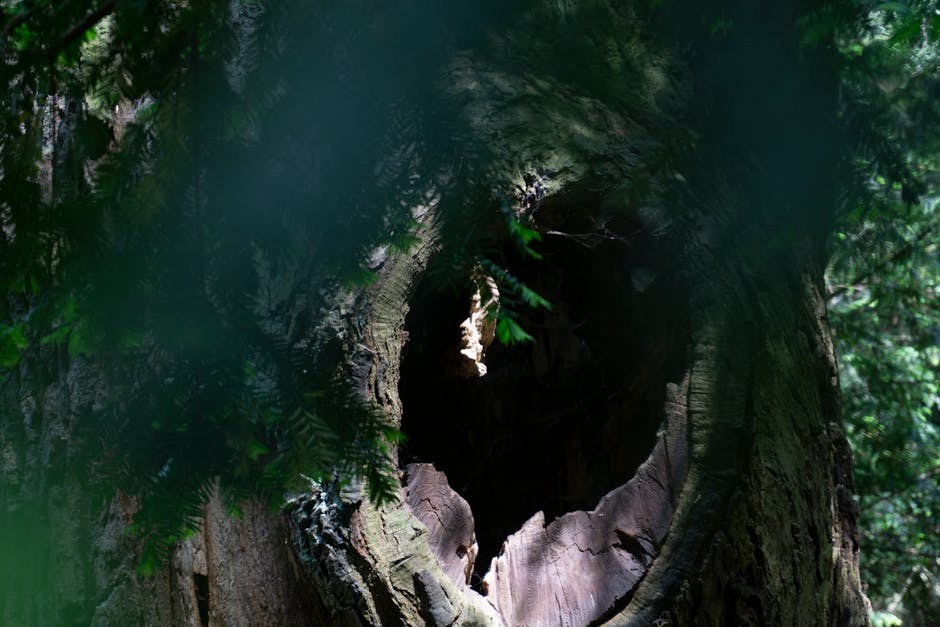
A wild honey bee hive may be hidden inside a hollow tree, tucked into an old building, or occasionally hanging in exposed comb from a tree branch. Honey bees naturally prefer protected cavities where they can build comb, raise brood, store honey, and survive winter. Extension resources note that natural colonies commonly use hollow trees, logs, rocky cavities, wall voids, attics, and similar protected spaces.
If you enjoy hiking, hunting, farming, beekeeping, or simply exploring the outdoors, learning how to recognize a wild honey bee hive can give you a completely different perspective on the landscape around you.
Observe from a distance: an established wild colony contains brood, honey, pollen, and a queen that thousands of workers are ready to defend. Never disturb the entrance.
What Is a Wild Honey Bee Hive?
A wild honey bee hive is a honey bee colony living outside a beekeeper-managed hive. These colonies are often called wild-living or feral honey bee colonies.
Inside the nest, the basic organization is similar to a managed beehive. The colony contains a queen, thousands of female worker bees, and seasonally, male drones. The bees construct vertical sheets of beeswax comb containing cells used for raising young bees and storing pollen and honey.
Honey bees are naturally cavity-nesting insects. Research on wild-living honey bees has documented their use of old cavity-bearing trees, while agricultural extension resources also identify trees, logs, cliffs, and buildings as potential nesting locations.
Unlike many wasp colonies that die out during winter, a healthy honey bee colony can survive from year to year by clustering together and consuming stored honey during cold weather.
Where Can You Find a Wild Honey Bee Hive?
The best place to search for a wild honey bee hive is anywhere that provides bees with three important resources: shelter, flowers, and water.
Hollow Trees
Old hollow trees are among the most classic locations for a wild honey bee hive. Large mature trees can develop internal cavities as limbs break, wood decays, or woodpeckers and other wildlife create openings.
Look for older trees along:
- Forest edges
- Farms and pastures
- Creek and river bottoms
- Old homesteads
- Orchards
- Woodland trails
- Abandoned farm fields
You usually won't see the actual comb because it is hidden inside the tree. Instead, look for a steady stream of bees entering and exiting a hole in the trunk or a large limb.
Research has confirmed that old cavity-bearing trees provide valuable nesting habitat for wild-living honey bee colonies.
Old Barns and Abandoned Buildings
Another excellent location to discover a wild honey bee hive is an older building.
Barns, sheds, abandoned houses, garages, and other structures can contain numerous protected cavities. Bees may enter through a tiny opening and establish a large colony inside a wall where it remains invisible from the outside.
Potential locations include wall voids, attics, soffits, chimneys and spaces beneath roofs.
If you see dozens of bees repeatedly flying through the same small opening, there could be a colony inside.
Never seal an entrance while an active colony remains inside. If bees need to be removed from a structure, contact an experienced beekeeper or professional bee-removal specialist.
Forests and Wooded Areas
Forested areas containing mature trees are excellent places to watch for a wild honey bee hive.
Pay particular attention to large trees with visible cavities. You might notice bees flying directly toward a particular tree and disappearing into a small opening.
One bee flying past doesn't tell you much. A continuous pattern of bees entering and leaving the same opening is much stronger evidence of an established colony.
Honey bees can travel considerable distances while gathering nectar and pollen, so seeing honey bees feeding on flowers does not necessarily mean their colony is nearby.
Rock Crevices and Natural Cavities
Trees aren't the only natural homes available.
Honey bees may establish colonies in protected rocky areas, including cavities and crevices in cliffs. Missouri Extension identifies rocky cliffs along with trees and logs as natural nesting habitat for honey bees.
Rocky areas with nearby forests, streams, meadows, and abundant flowering plants can therefore provide good habitat.
Follow the Bees
One fascinating way to locate a wild honey bee hive is simply to observe honey bee traffic.
Find an area where honey bees are actively gathering nectar or pollen. Watch individual bees carefully after they finish feeding.
Foragers often fly in relatively direct routes between food resources and their colony. This behavior is the origin of the familiar expression "beeline."
Watching repeated flight directions can give you clues about the general location of the colony, although the bees could be traveling a substantial distance.
Spring Is an Excellent Time to Watch for Swarms
One of the easiest ways to discover new honey bee colonies is during swarm season.
Swarming is how honey bee colonies naturally reproduce. As a colony becomes crowded, the old queen leaves with a large portion of the worker bees. The swarm temporarily lands somewhere while scout bees search for a permanent home.
You might discover thousands of bees clustered around:
- Tree branches
- Fence posts
- Shrubs
- Mailboxes
- Buildings
- Picnic tables
- Farm equipment
A swarm is not necessarily a wild honey bee hive yet. It may simply be resting while scouts search for a suitable cavity. Extension sources report that swarms can remain temporarily clustered before relocating to hollow trees, vacant hives, wall cavities, or other protected locations.
Wild Hive vs. Honey Bee Swarm
Knowing the difference between a swarm and an established wild honey bee hive is important.
A swarm usually appears as a large ball or cluster of bees hanging from an object. There may be thousands of bees but no visible honeycomb.
An established colony has begun building comb and defending a permanent nesting location.
Swarms are generally less defensive because they don't yet have brood or established honey stores to protect. Established colonies should be approached much more cautiously.
Can Wild Honey Bee Hives Be Found in Cities?
Absolutely.
A wild honey bee hive doesn't require wilderness. Cities and suburbs contain countless artificial cavities that resemble hollow trees from a honey bee's perspective.
Colonies can establish themselves inside walls, chimneys, attics, utility structures, sheds, garages, abandoned equipment and other enclosed spaces.
Urban areas can also contain surprisingly abundant nectar sources from gardens, landscaping plants, flowering trees, parks, vacant lots, and ornamental shrubs.
What Should You Do If You Find a Wild Honey Bee Hive?
Your first instinct might be to get closer, but observation from a safe distance is usually the better approach.
An established wild honey bee hive contains brood, honey, pollen, and a queen that thousands of workers are prepared to defend. Honey bees near their colony can therefore behave very differently from bees peacefully collecting nectar from flowers.
Don't hit the tree, insert objects into the entrance, spray the colony, or attempt to collect honey.
If the colony isn't threatening people or animals, leaving it alone may be appropriate. If it occupies a house, playground, heavily traveled area, or another problematic location, contact an experienced beekeeper or professional removal specialist.
Why Wild Honey Bee Hives Are Fascinating
A wild honey bee hive provides an incredible opportunity to see how honey bees live without traditional beekeeping equipment.
There are no wooden frames, hive boxes, feeders, queen excluders, or beekeeper inspections. Instead, the bees select their own nesting cavity, construct their own comb, regulate temperature, gather food, defend the colony, and prepare themselves for winter.
For beekeepers, observing wild colonies can also provide valuable insight into honey bee behavior.
Final Thoughts on Finding a Wild Honey Bee Hive
Finding a wild honey bee hive requires patience and careful observation. Start by searching areas containing mature hollow trees, forest edges, abandoned farms, old barns, orchards, rocky areas, streams, and plentiful flowering plants.
Watch for repeated bee traffic rather than individual bees. A steady stream of honey bees disappearing into a small opening in a tree or building is one of the strongest clues that you've discovered an established colony.
Spring and early summer can be especially interesting because swarming activity creates new colonies as thousands of bees search the landscape for suitable nesting cavities.
Most importantly, respect any wild honey bee hive you discover. Observe it from a safe distance and appreciate the remarkable natural system operating inside.
Hidden behind a small opening in an old tree could be tens of thousands of honey bees building comb, raising young, storing honey, and preparing for another winter—all without a beekeeper ever opening the hive.