
Honey bees have fascinated humans for thousands of years — ancient civilizations harvested honey for food, medicine, and ceremonies, and today these insects remain essential to agriculture, ecosystems, and commercial honey production. But how does a bee that makes honey actually produce it? Are all bees capable of it? And why are honey bees so important? This guide answers all of it.
What Type of Bee Makes Honey?
The most familiar bee that makes honey is the Western honey bee (Apis mellifera), native to Europe, Africa, and western Asia and now kept worldwide. Beekeepers favor it because it produces harvestable honey surpluses, lives in large colonies, and pollinates countless crops.
- Asian honey bee (Apis cerana) — managed widely across Asia.
- Giant honey bee (Apis dorsata) — wild open-nesting colonies harvested for honey. Read our guide to giant honeybees.
- Dwarf honey bee (Apis florea) — small wild colonies of southern Asia.
- Stingless bees — tropical bees that make small amounts of prized honey. Meet the meliponine stingless bees.
Not every bee makes honey. Most of the world's 20,000+ bee species are solitary and keep no honey stores, and bumblebees stock only small amounts of nectar food — nothing like a honey bee colony's reserves. New to bees entirely? Start with all about honey bees.
How Does a Bee That Makes Honey Produce Honey?

Honey-making is teamwork on a massive scale. Thousands of workers cooperate through four steps:
- 1.Collecting nectar. Foragers visit flowers and store sugary nectar in a special honey stomach used to carry it home.
- 2.Processing the nectar. House bees take the nectar and add enzymes that break complex sugars into simpler ones — the transformation into honey begins.
- 3.Removing moisture. Bees spread the liquid through comb cells and fan their wings to evaporate water, thickening and preserving it.
- 4.Sealing the honeycomb. Once moisture drops to around 18% or less, cells are capped with beeswax until the colony needs them.
Why Do Honey Bees Make Honey?
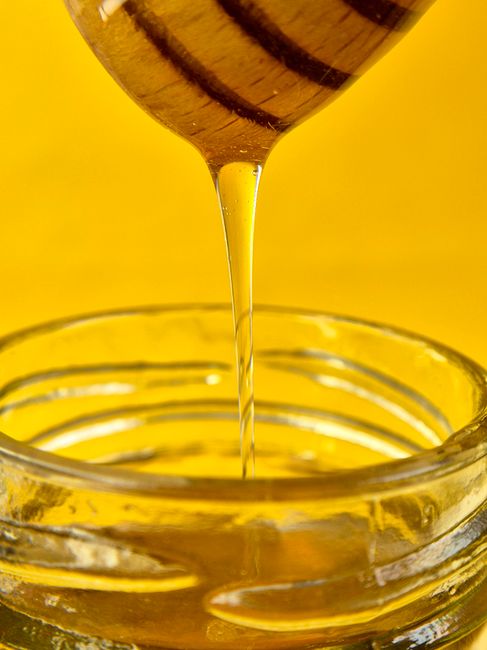
Bees don't make honey for us — it's their survival reserve. Colonies stockpile carbohydrates in spring and summer to burn through winter and dearth periods, when no flowers bloom. Honey fuels flight, hive heating, and daily work, while pollen supplies the protein and fats brood need to grow. Without adequate reserves, a colony can't survive a long cold stretch. See how beekeepers harvest surplus honey while leaving the colony enough to thrive.
The Different Types of Bees in a Honey Bee Colony
- Queen bee — the colony's egg-layer; her pheromones hold the colony's social order together.
- Worker bees — females that forage, nurse young, build comb, and make the honey.
- Drone bees — males whose role is mating with queens from other colonies.
A healthy colony can hold tens of thousands of bees at peak season — that extraordinary cooperation is what makes serious honey production possible.
How Much Honey Can a Beehive Produce?
Yield depends on climate, forage, colony strength, and weather. A productive managed colony often gives roughly 30 to 60 pounds of surplus honey per year, with exceptional colonies topping 100 pounds in great conditions. The golden rule: the colony's winter stores come first — beekeepers only take the surplus. Learn the craft in our getting-started guide.
What Flowers Do Honey Bees Prefer?

| Nectar source | Honey character |
|---|---|
| Clover, wildflowers, fruit blossom | Typically mild and light-colored |
| Orange blossom, basswood, black locust | Fragrant, distinctive varietal honeys |
| Buckwheat | Darker and more robust |
| Goldenrod and asters | Bold late-season honey |
The floral source shapes every honey's flavor, aroma, and color. Planting a succession of blooms — lavender, herbs, fruit trees, goldenrod — gives your bees a season-long pantry; our pollinator gardening guide shows how.
Why Are Honey Bees Important to the Environment?
Beyond honey, bees are powerhouse pollinators. Pollen hitchhiking on their bodies fertilizes blossoms as they forage, supporting crops like almonds, apples, blueberries, and cucumbers — and countless wild plants. But honey bees share the job with native bees, butterflies, flies, and beetles, so protecting the whole pollinator community keeps ecosystems and food production resilient. Read the full story in the benefits of honey bees.
Can You Keep a Bee That Makes Honey in Your Backyard?
Yes — backyard beekeeping is a rewarding way to watch a colony up close and harvest your own honey. Beginners need a hive, protective gear, a smoker, tools, and a healthy colony, plus knowledge of seasonal management, feeding, disease prevention, and Varroa mite control — mites are the most serious parasite honey bees face. Join a local association, find a mentor, and inspect regularly; success rewards patience and learning. Our bee health guide covers keeping colonies thriving.
Frequently Asked Questions About Honey-Making Bees
What is the name of the bee that makes honey?
The most common honey producer is the Western honey bee, Apis mellifera — the species most beekeepers manage.
Do all bees make honey?
No. Most bee species keep no real honey stores; honey bees and some stingless bees are the true honey producers.
How long does a honey bee live?
Summer workers live about five to six weeks, winter workers several months, and queens multiple years.
Can honey bees make honey without flowers?
They need floral nectar or another natural sugar source — sugar syrup fed by beekeepers doesn't count as floral honey.
Does collecting honey hurt bees?
Responsible beekeepers harvest only the surplus and leave the colony ample stores, so the colony carries on unharmed.
Conclusion: Appreciating the Bee That Makes Honey
Through teamwork, specialized anatomy, and an extraordinary ability to turn nectar into storable gold, the bee that makes honey has earned its place in human culture — pollinating our crops, filling our jars, and anchoring ecosystems. Whether you dream of backyard hives, love natural honey, or just admire pollinators, understanding honey bees deepens the appreciation. Plant bee-friendly flowers, ease off pesticides, and support your local beekeepers — small steps toward a healthier world for bees and people alike.