Sacramento, California, offers an excellent environment for anyone interested in raising honey bees. With its Mediterranean climate, diverse flowering plants, agricultural surroundings, and growing interest in sustainable living, the region provides numerous opportunities for backyard beekeepers and commercial honey producers alike.
Whether you're a beginner looking to establish your first hive or an experienced beekeeper hoping to expand your apiary, beekeeping Sacramento offers unique advantages and challenges.
In this comprehensive guide, we'll explore everything you need to know about beekeeping in Sacramento, including local regulations, the best time to start, essential equipment, seasonal hive management, honey production, and ways to support healthy pollinator populations.
Why Sacramento Is a Great Place for Beekeeping
Sacramento's climate makes it particularly attractive for beekeeping. The region experiences hot, dry summers and relatively mild, wet winters, allowing honey bee colonies to remain active during much of the year. Unlike colder regions where bees spend extended periods clustered inside their hives, Sacramento colonies may have opportunities to forage even during warmer winter days.
Several factors make beekeeping Sacramento especially appealing:
- Long growing season: Extended periods of flowering vegetation provide opportunities for nectar and pollen collection.
- Agricultural diversity: Nearby orchards, farms, and gardens offer important pollination opportunities.
- Urban gardening: Residential landscapes can provide a variety of flowering plants.
- Mild winters: Colonies generally experience less prolonged cold than those in northern climates.
- Local beekeeping community: Educational programs and experienced beekeepers can help beginners develop their skills.
However, Sacramento's summer heat, drought conditions, and seasonal shortages of nectar can create challenges that require careful hive management.
Understanding Sacramento Beekeeping Regulations
Before starting your first hive, it's important to understand the laws governing beekeeping Sacramento. California regulates apiaries through state agricultural laws, while local governments may establish additional requirements concerning hive placement, nuisance prevention, and residential beekeeping.
Beekeepers should investigate the following requirements before purchasing bees:
- Apiary registration: California generally requires beekeepers to register their colonies with the county agricultural commissioner under applicable state requirements.
- Local zoning: Hive placement and the number of permitted colonies may depend on whether your property is within Sacramento city limits, unincorporated Sacramento County, or another municipality.
- Property restrictions: Homeowners associations and rental agreements may impose additional limitations.
- Neighbor considerations: Hive entrances, water sources, and flight paths should be managed to minimize conflicts with surrounding properties.
For current regulations, contact the Sacramento County Agricultural Commissioner and your local planning department. Proper registration and compliance help protect both beekeepers and the surrounding community.
Sacramento County also publishes beekeeping best management practices addressing water availability, fire prevention, hive inspections, and six-foot flyover barriers in residential and commercial zoning districts. Beekeepers should verify which provisions apply to their property.
Best Time to Start Beekeeping in Sacramento
Spring is generally the ideal season to establish a new honey bee colony in Sacramento. Between March and May, warming temperatures and blooming vegetation can provide the nectar and pollen needed for colony development. Beginning in spring gives bees several months to build their population, draw honeycomb, and accumulate food reserves before winter.
For beekeeping Sacramento beginners, purchasing a nucleus colony, commonly called a nuc, can simplify the process. A nuc typically includes an established queen, worker bees, brood, and several frames of comb. Starting with healthy, locally adapted bees can improve the chances of establishing a productive colony. See our getting-started guide for the full first-year sequence.
Essential Beekeeping Equipment
Successful beekeeping Sacramento begins with purchasing the right equipment. Most beginners choose Langstroth hives because they are widely available, expandable, and compatible with standard beekeeping supplies.
Essential equipment includes:
- Langstroth hive boxes, frames, and foundation
- Bottom board and hive cover
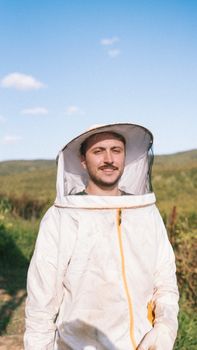
- Protective beekeeping suit, gloves, and veil
- Bee smoker and hive tool
- Feeder for supplemental nutrition
- Varroa mite monitoring supplies
- Honey extraction equipment when harvesting becomes appropriate
A beginner should generally budget approximately $400–$800 or more for basic equipment, protective clothing, and a starter colony, depending on the supplier and equipment quality. Starting with two colonies, where permitted, can help beekeepers compare colony development and identify potential problems. Our beekeeping starter kit guide breaks down what to buy, and our beehive guide compares hive types.
Managing Beehives During Sacramento's Hot Summers
One of the biggest challenges of beekeeping Sacramento is the intense summer heat. Temperatures frequently exceed 90°F, and extreme heat can place additional stress on honey bee colonies. Honey bees regulate hive temperature by collecting water, fanning their wings, and gathering outside the hive when necessary.
Beekeepers can help by providing a reliable water source with safe landing surfaces, maintaining adequate ventilation, and locating hives where they receive morning sunlight and some afternoon shade. Water should be available before bees begin seeking alternative sources, such as neighboring swimming pools.
Another important consideration is the summer nectar dearth. When flowering plants become scarce, colonies may experience reduced food availability. Regular inspections help determine whether supplemental feeding is necessary. Feeding should be managed carefully to avoid contaminating honey intended for harvesting — see our seasonal beekeeping guide.
Best Plants for Honey Bees in Sacramento
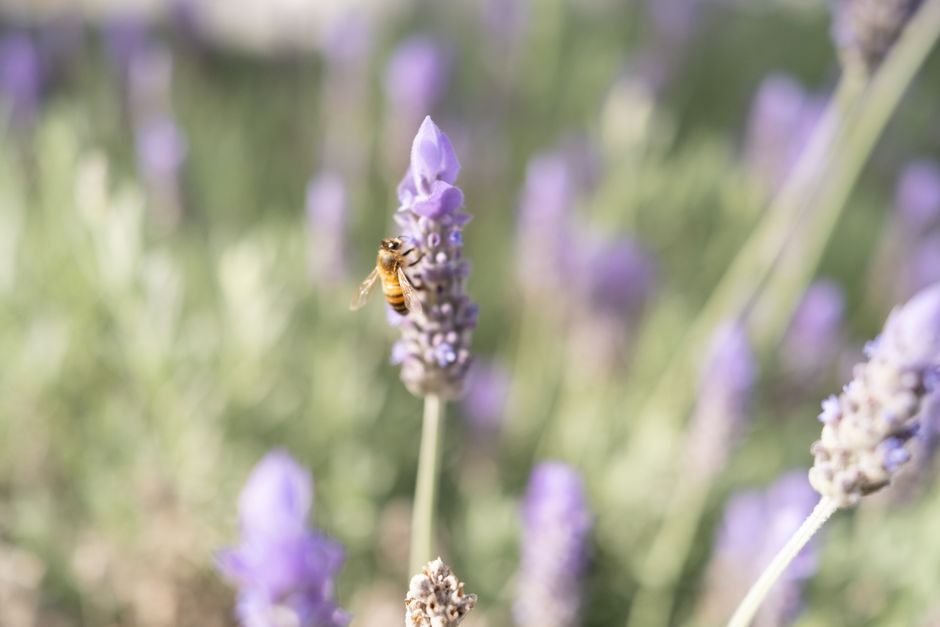
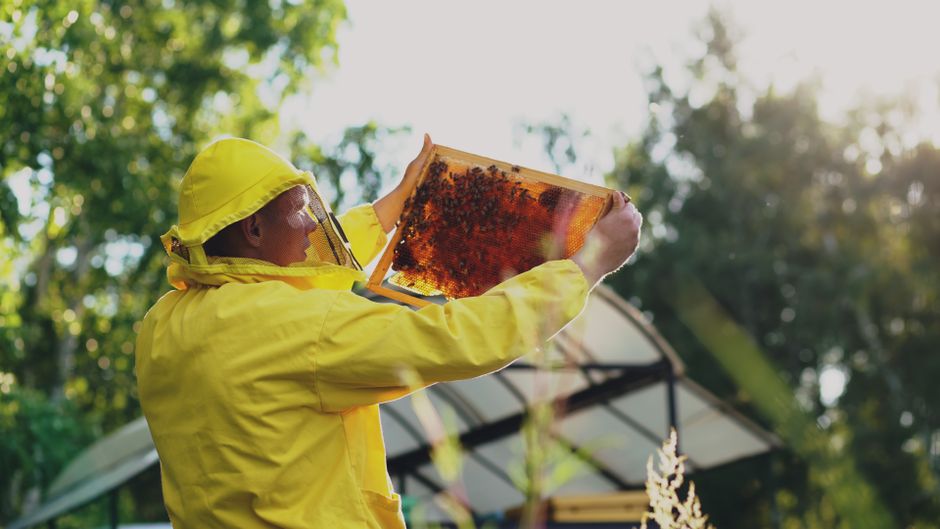
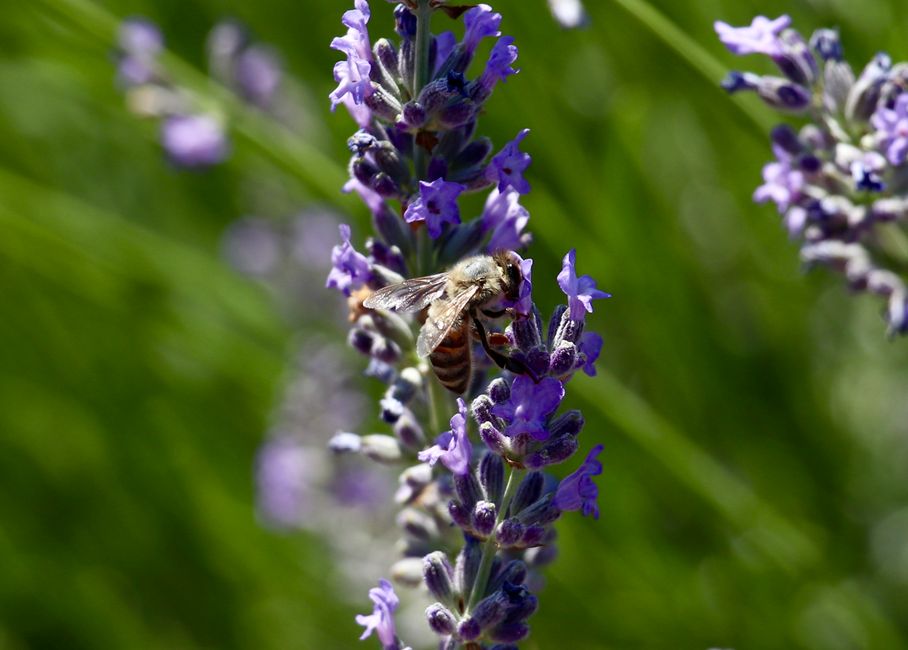
Creating a bee-friendly garden is an excellent way to support beekeeping Sacramento. Sacramento's growing conditions accommodate numerous flowering plants that provide nectar and pollen. Popular options include lavender, rosemary, borage, California poppies, sunflowers, and flowering fruit trees. Native plants such as California buckwheat and certain native sages can also benefit local pollinators.
Planting flowers with overlapping bloom periods helps provide resources throughout the growing season. Gardeners should also avoid unnecessary pesticide applications, especially when plants are flowering. The nearby UC Davis Bee Haven has contributed educational resources on pollinator-friendly gardening and water-conscious planting. For more ideas, see our pollinator gardening guide.
Common Beekeeping Problems in Sacramento
Even with favorable weather, Sacramento beekeepers face several challenges. Varroa mites are among the most serious threats to managed honey bee colonies. These parasites weaken bees and transmit harmful viruses. Regular mite monitoring and evidence-based treatment are essential for maintaining healthy colonies.
Other potential problems include queen failure, wax moths, small hive beetles, starvation, pesticide exposure, and swarming. Beekeepers should inspect colonies regularly during active seasons, monitoring brood patterns, food reserves, queen activity, and signs of disease. Maintaining strong colonies and following an integrated pest management approach can reduce preventable losses. Our bee health guide covers pest and disease management.
Harvesting Local Sacramento Honey
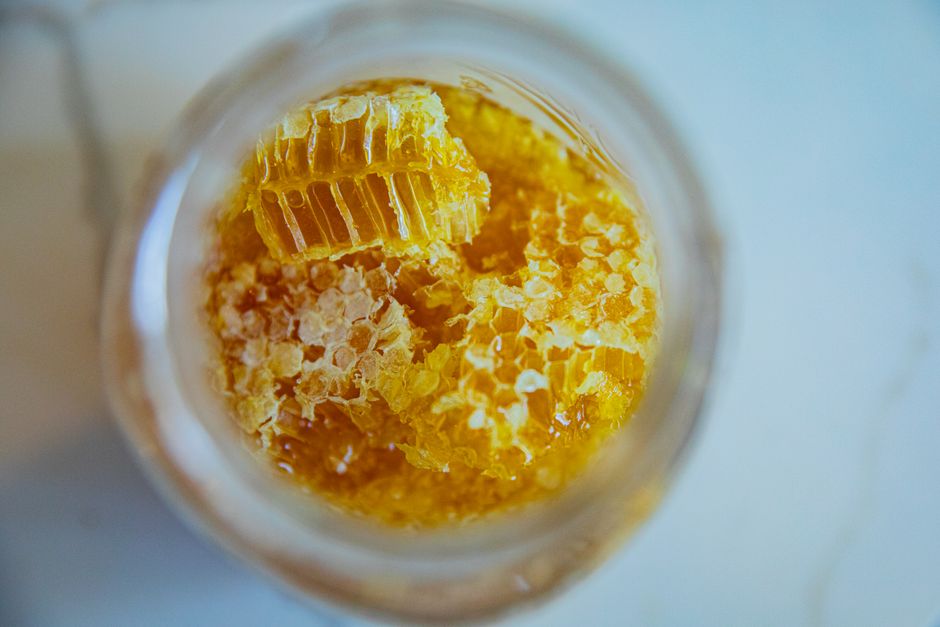
One of the most rewarding aspects of beekeeping Sacramento is harvesting fresh, locally produced honey. Honey flavor can vary depending on the plants bees visit. Sacramento-area colonies may forage on flowering trees, herbs, wildflowers, and agricultural crops. Some beekeepers harvest honey during late spring or summer, while others wait until later in the season. Harvest timing depends on nectar availability, colony strength, and weather conditions.
Only surplus honey should be removed, leaving sufficient stores for colony survival. Beekeepers interested in selling honey should also investigate California's applicable food labeling, processing, and sales requirements. Our guide to honey harvesting explains the crush-and-strain and extraction methods.
Learning From Sacramento Beekeeping Organizations
Beginners can benefit tremendously from joining a local beekeeping organization. The Sacramento Area Beekeepers Association has been involved in regional beekeeping education, community outreach, and training opportunities. Experienced beekeepers can provide guidance on colony inspections, queen management, swarm prevention, and honey harvesting.
The University of California, Davis, also offers valuable educational resources related to honey bees, pollinator health, and agricultural research. Learning from experienced local beekeepers is especially valuable because Sacramento's climate and seasonal flowering patterns differ from those in many other parts of the country.
Frequently Asked Questions About Beekeeping Sacramento
Can you keep bees in your backyard in Sacramento?
Backyard beekeeping may be permitted, depending on the property's zoning and applicable local regulations. Confirm hive placement, registration, and other requirements before establishing an apiary.
How much honey can one Sacramento beehive produce?
A healthy, established colony might produce 20–60 pounds of harvestable surplus honey in a favorable season, although production can be considerably lower or higher. New colonies may produce no surplus during their first year.
Do Sacramento honey bees survive winter?
Yes. Healthy colonies can survive Sacramento's relatively mild winters, provided they have adequate food reserves, manageable parasite levels, and protection from excessive moisture.
Is beekeeping expensive to start?
Initial costs can reach several hundred dollars per colony. Ongoing expenses include feeding, pest management, replacement equipment, and occasional queen replacement.
Final Thoughts on Beekeeping Sacramento
Beekeeping Sacramento offers a rewarding opportunity to produce local honey, learn about pollinators, and contribute to agricultural sustainability. The region's extended growing season, diverse vegetation, and established beekeeping community make it an attractive location for beginners and experienced beekeepers.
However, success requires more than simply placing a hive in the backyard. Proper registration, careful colony inspections, summer heat management, and effective parasite control are essential. For anyone considering beekeeping Sacramento, the best approach is to start with education, connect with experienced local beekeepers, and develop a practical plan for maintaining healthy colonies throughout the year.
With patience, preparation, and consistent care, Sacramento residents can enjoy the fascinating world of honey bees while supporting the region's rich agricultural environment. And if you're weighing whether bees face broader risks, our explainer on whether honey bees are endangered puts local beekeeping in context.