


Whether you run one hive or several, a table top honey extractor simplifies harvest day and — just as valuable — returns drawn comb to your bees intact, ready to refill. This guide covers how they work, their real benefits, the types on the market, and how to pick the right one. Ready to shop? Browse honey extractors in our gear guides and honey extractors in our shop.
What Is a Table Top Honey Extractor?
A table top honey extractor is a compact, workbench-scale machine that spins honey out of the comb with centrifugal force — unlike floor-standing commercial units, it sits on a sturdy table or bench. Most are hand-cranked, though compact electric models exist. Uncapped frames go into a rotating basket; as it spins, honey flings against the drum walls, runs to the bottom, and drains out through a honey gate. The comb survives largely intact, ready to go back on the hive. New to harvest day? Start with our honey harvesting guide.
Benefits of Using a Table Top Honey Extractor
1. Compact and Space-Saving Design
Tabletop models tuck into a garage, shed, or bee shed corner — ideal when you have no dedicated extraction room.
2. Affordable for Beginner Beekeepers
After hives, suits, smokers, and tools, the budget is thin — manual tabletop units are the cheapest powered-free route to spun honey. Compare current options in our honey extractor shop category.
3. Preserves Valuable Honeycomb
Drawing comb costs bees enormous energy. Spun frames go straight back to the hive for cleaning and refilling, so colonies store honey instead of rebuilding wax. (The alternative — crush-and-strain — destroys the comb.)
4. Easy to Operate
A crank, a basket, a gate — and no power cord, so you can extract anywhere with a flat surface.
Types of Table Top Honey Extractors
| Type | How it works | Best for |
|---|---|---|
| Manual | Hand crank spins the basket | 1–2 colonies; cheapest, portable |
| Electric (compact) | Motor spins at steady speed | Frequent harvests, less effort |
| Tangential | One comb side faces out; flip frames to finish | Small extractors; gentle with care |
| Radial | Frames ring the shaft; both sides spin out at once | Larger units where space allows |
Most tabletop units are manual tangential models — perfect for a hive or two. See how each style compares in our honey extractor gear guide.
How to Use a Table Top Honey Extractor
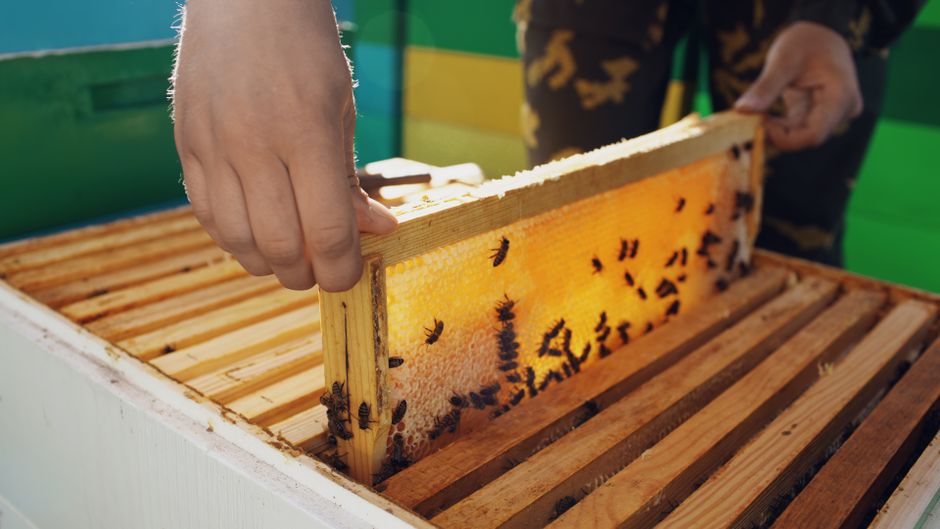
- 1.Prepare ripe frames. Pull frames once honey is capped; check moisture when in doubt — wet honey can ferment.
- 2.Uncap. Slice wax cappings with an uncapping knife or fork over a tray that catches drips. Find the right blade in our hive tools guide.
- 3.Load balanced. Seat frames opposite each other so the basket spins true without shaking.
- 4.Spin gently, then faster. Start slow and build speed — aggressive cranking blows out soft, newly drawn comb.
- 5.Flip if tangential. Reverse frames and spin the second side until flow stops.
- 6.Filter and bottle. Drain through the honey gate into a food-grade strainer, settle, then bottle with clean, dry equipment.
What to Look for When Buying a Table Top Honey Extractor
- Stainless steel construction — food-grade, corrosion-resistant, and easy to sanitize with smooth food-contact surfaces.
- Frame capacity — many compact units hold two frames: plenty for 1–2 hives, tight for five. Check the spec sheet.
- Frame compatibility — confirm your deep, medium, or shallow Langstroth frames actually fit.
- Stability and mounting — a balanced basket plus clamps or bolt-holes to anchor it to the bench.
- Ease of cleaning — removable basket, accessible interior, and a honey gate you can fully wash.
Shop the picks: compare manual and motorized models in our honey extractor shop category, or browse the full curated beekeeping shop.
How Much Does a Table Top Honey Extractor Cost?
Small manual units are the budget entry point; bigger stainless models and motorized spinners cost more. Price the whole job — shipping, spare parts, strainers, and buckets — and if you harvest a single super a year, borrowing or renting a club extractor may beat buying. Watch for seasonal price drops on our shop deals page.
Cleaning and Maintaining Your Honey Extractor
After every session, strip out honey and wax, wash food-contact surfaces per the maker's instructions with warm water and suitable cleaners, rinse, and dry completely before storing. Check gears, handles, bearings, and the gate for wear, and store the unit clean and dry against corrosion. A maintained extractor lasts decades.
Is a Table Top Honey Extractor Worth Buying?
For most backyard beekeepers — yes. It puts harvest day on a workbench, saves the comb, and skips the commercial price tag. But if you're scaling toward many colonies, a larger floor unit will repay itself in saved hours. Weigh colony count, expected yield, storage space, and where you want the apiary to be in five years. Kitting out from scratch? See our beginner kit picks.
Frequently Asked Questions About Table Top Honey Extractors
Can beginners use a table top honey extractor?
Yes — manual tabletop units are simple crank machines, ideal for a first harvest once you know basic uncapping and handling.
How many frames can a tabletop extractor hold?
Many compact models hold about two frames; larger tabletop configurations exist — always check the specs.
Can I extract honey without an extractor?
Yes — crush-and-strain works with minimal gear, but it destroys the comb the bees worked to build.
Do tabletop honey extractors require electricity?
Manual models don't — just a hand crank. Only motorized versions need power.
Can I use a table top honey extractor for Langstroth frames?
Yes, as long as the model is sized for your deep, medium, or shallow Langstroth frames.
Final Thoughts: Choosing the Best Table Top Honey Extractor
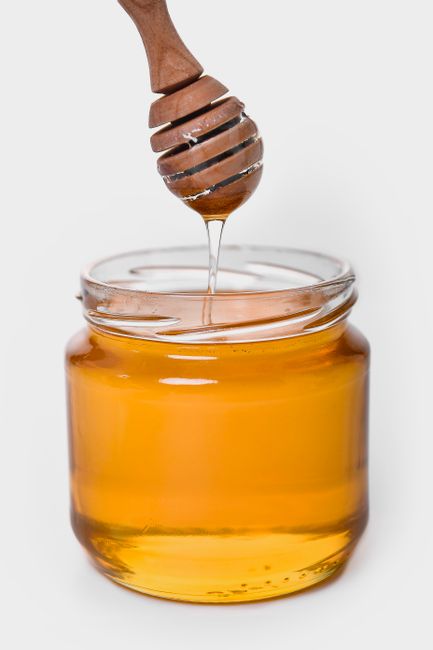
A table top honey extractor is the small apiary's best friend: compact, affordable, comb-saving, and easy to run. Prioritize food-grade steel, correct frame fit, solid mounting, and easy cleanup — then enjoy bottling honey from your own hives. When you're ready, compare models in our honey extractor shop and the extractor gear guide.