Honey bees support agriculture, wild ecosystems, and your honey jar — but good honey bee health has never faced more pressure from parasites, diseases, habitat loss, pesticides, and a shifting climate. This guide distills what matters most: the threats to watch, the nutrition and management that build resilience, and the seasonal routine that keeps colonies strong and productive.
Companion guide: already read our pillar bee health guide? Treat this page as the expanded field manual — deeper on Varroa decisions, nutrition, brood diseases, pesticides, seasonal management, and queens.
1. Understanding the Importance of Honey Bee Health
Honey bee health is more than survival. A healthy colony needs proper nutrition, a productive queen, enough workers, effective disease management, and a suitable hive environment. Thriving colonies generally show:
- A consistent brood pattern with healthy developing bees.
- A productive queen laying fertilized eggs.
- Active workers collecting pollen and nectar.
- Adequate honey and pollen reserves.
- Low parasite and disease levels in a clean, well-ventilated hive.
Healthy bees gather more nectar, pollinate better, rear more young, and winter more successfully. Beekeepers who inspect on a rhythm catch trouble while it is still fixable — see hive management basics and the getting-started guide.
2. Varroa Mites: One of the Greatest Threats to Honey Bee Health
Varroa destructor is the single most damaging parasite of managed honey bees. These external mites feed on developing and adult bees, reproduce inside capped brood cells, and vector viruses such as deformed wing virus. Watch for deformed wings, dwindling populations, patchy brood, and colonies that fade heading into winter.
How to control Varroa mites
Monitor first, then treat by the numbers. Use alcohol washes or another validated sampling method on a seasonal schedule, and act on local thresholds — not the calendar alone. Common options include formic acid, oxalic acid, thymol-based products, and certain registered synthetic miticides. Not every product fits every season: some are off-limits during honey production or outside specific temperature windows, so always follow the label.
For current monitoring and treatment tables, use the Honey Bee Health Coalition Varroa Management Guide. Varroa control remains the highest-leverage step you can take for honey bee health.
3. Proper Nutrition for Healthy Honey Bees

Bees need carbohydrates, protein, fats, vitamins, minerals, and water. Nectar and honey supply energy; pollen supplies protein and micronutrients for brood-rearing and immunity.
Why diverse pollen sources matter
No single flower covers every nutritional need, so variety wins. Strong bee-friendly plantings include white clover, goldenrod, sunflowers, wildflowers, lavender, fruit trees, and native shrubs. Aim for continuous bloom from spring through fall — our pollinator gardening guide shows how to sequence it.
Supplemental feeding
In a dearth, sugar syrup can bridge an energy gap and protein patties can help when natural pollen runs short. Supplements support — they do not replace — diverse forage. Feed carefully to avoid robbing and never contaminate harvestable honey with feed.
4. Common Honey Bee Diseases and Their Symptoms
American foulbrood
A serious bacterial disease of brood caused by Paenibacillus larvae, with highly persistent spores. Suspect it with sunken or perforated cappings, discolored larvae, and dried scales in cells. Because it spreads between colonies, suspected cases need fast action: contact your state apiary inspector and follow applicable regulations.
European foulbrood
Another bacterial brood disease, usually striking younger larvae that appear twisted, discolored, or underdeveloped. Nutritional stress and colony conditions influence severity, so strength and forage matter alongside treatment.
Nosema infections
Microscopic fungal parasites of adult bees that can sap worker performance and weaken colonies, often with vague symptoms. Good nutrition, low stress, and strong queens help colonies cope.
Viral diseases
Deformed wing virus and other viruses travel hand-in-hand with Varroa. Early detection, relentless mite control, and sound management are the best defenses — the core routine in our bee health guide.
5. How Pesticides Affect Honey Bee Health
Foragers meet pesticides in nectar, pollen, treated blooms, and contaminated water. Depending on chemistry and dose, exposure can kill outright or impair navigation, behavior, reproduction, and colony performance. The EPA pollinator health resources summarize the major biological and environmental threats.
Reducing pesticide exposure
Skip insecticides on bee-visited blooms; when treatment is unavoidable, choose lower-risk products and methods and follow every label direction. Talk with neighboring growers and gardeners so sprays and foraging do not collide — coordination protects honey bee health far beyond one apiary.
6. Seasonal Hive Management for Better Honey Bee Health
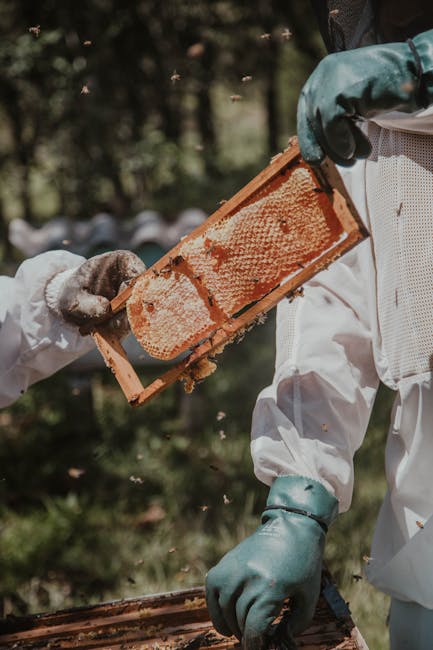
- Spring.Verify the queen is laying, read the brood pattern, confirm food stores, and check mite levels as the colony expands.
- Summer.Add space ahead of the nectar flow, keep parasites in check, and guarantee water access during heat.
- Fall.Set up winter bees: ample stores, controlled Varroa, and a right-sized, dry cavity.
- Winter.Disturb the cluster as little as possible; track weight or stores when weather allows, shed excess moisture, and keep ventilation steady.
Map the full year on the beekeeping calendar and pair it with hive management basics.
7. The Role of Queen Bees in Colony Health
Every worker that forages, nurses, and defends starts as one of the queen's eggs. Warning signs of a failing queen include spotty laying, shrinking brood nests, and unsettled colony behavior — though nutrition, disease, and season can mimic queen failure. Diagnose the cause before requeening; a new queen boosts a colony only when the underlying problem is truly the queen. Go deeper in queens and colonies.
8. How to Improve Honey Bee Health Naturally
Prevention lowers pressure so treatments work better: plant diverse forage, offer clean water, ventilate sensibly, retire damaged or excessively old comb, and never shuffle suspect equipment between hives. Practice integrated pest management — scheduled mite monitoring, brood breaks or other cultural controls where appropriate, and targeted treatments when thresholds demand. Natural practices cut stress but do not replace proven disease and parasite control; the win is combining both.
9. Frequently Asked Questions About Honey Bee Health
What is the biggest threat to honey bee health?
Varroa mites top the list for managed colonies: they drain bees directly and spread damaging viruses that unravel even strong hives.
How can I tell whether my honey bees are healthy?
Look for even brood development, busy foraging, solid food stores, a laying queen, and low mite counts confirmed by testing — not guessing.
How often should I inspect my beehive?
Many beekeepers open up every 7–14 days during active buildup, adjusting for weather and colony state, with mite checks on a deliberate seasonal schedule. New to inspections? Start with beginner beekeeping.
Can honey bees recover from diseases?
Sometimes — it depends on the disease, severity, and speed of response. Some conditions rebound with intervention, while serious ones like American foulbrood demand specialized, regulated action.
Conclusion: Protecting Honey Bee Health for Future Generations
Strong honey bee health comes from steady habits: inspect on schedule, monitor Varroa, feed the landscape and the hive wisely, and prep for each season before it arrives. Whether you keep one backyard hive or run dozens of colonies, that discipline pays back in bees, honey, and pollination. Keep exploring in the article library — or ask us directly via the contact page.