

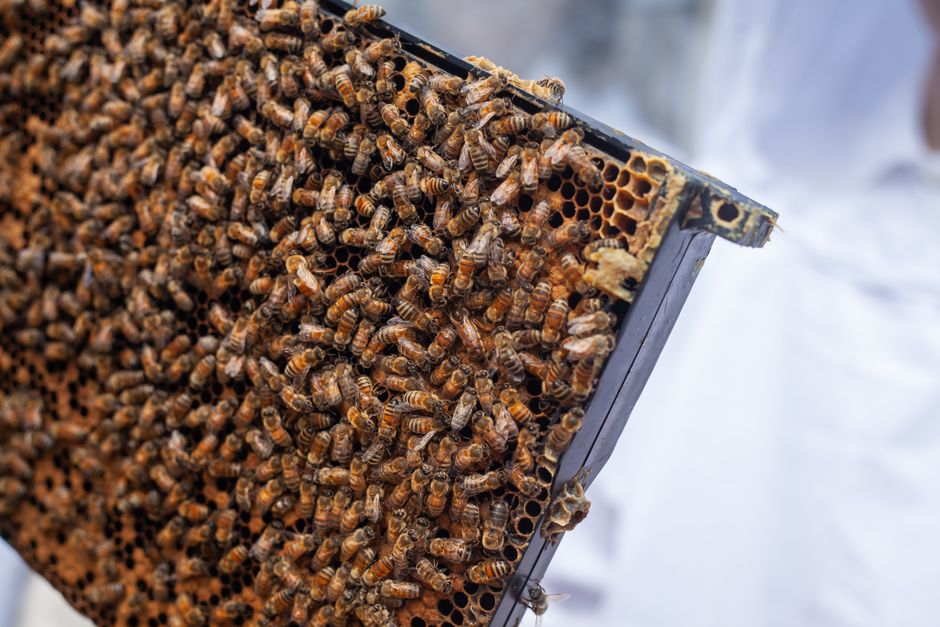
Beekeeping may bring to mind images of wooden hives sitting beside a country meadow, but bees are increasingly becoming city dwellers. Urban beehives can now be found on rooftops, balconies, community gardens, backyards, and even commercial buildings in cities around the world.
For people interested in producing their own honey, helping pollinators, or simply learning more about honey bees, urban beekeeping offers an exciting opportunity. You don't necessarily need several acres of land to become a beekeeper. With the right location, equipment, knowledge, and consideration for neighbors, urban beehives can thrive in surprisingly small spaces.
Big picture: a colony can range several miles for nectar and pollen, so a city hive can draw on thousands of flowering plants scattered across a whole neighborhood.
What Are Urban Beehives?
Urban beehives are honey bee colonies maintained within cities, towns, and other densely populated areas. The hive itself generally isn't much different from one used on a rural farm. The primary difference is its surroundings.
Instead of being surrounded by large fields and forests, bees living in cities may forage among residential gardens, flowering trees, parks, landscaping, vacant lots, community gardens, and roadside vegetation.
Honey bees can travel considerable distances from their hive looking for nectar and pollen. That means a colony doesn't need a massive flower garden directly beside the hive to survive.
A properly located hive can potentially take advantage of thousands of flowering plants scattered throughout the surrounding community.
Why Are Urban Beehives Becoming Popular?
One reason for the growing interest in urban beehives is increased awareness of pollinators and their importance to our food system.
Honey bees and other pollinating insects help pollinate many fruits, vegetables, nuts, flowers, and other plants. People who become interested in pollinator conservation often discover beekeeping along the way — and a pollinator garden is a natural first step.
There's also something fascinating about producing honey in the middle of a city.
Imagine harvesting jars of honey from bees living on your rooftop or in your backyard. Because bees may visit many different flowers throughout the season, urban honey can have unique flavors that reflect the plants growing around a particular neighborhood.
Beekeeping also provides an opportunity to learn about biology, agriculture, weather, plants, and the complicated social structure of a honey bee colony.
Where Can You Put Urban Beehives?
Finding the right location is one of the most important parts of keeping urban beehives.
A backyard is an obvious choice, but it isn't the only possibility. Depending on local regulations and property rules, beekeepers may place hives in community gardens, on rooftops, or on commercial properties.
Ideally, a hive should have a stable, level foundation and receive some morning sunlight. It should also be positioned where the beekeeper can comfortably work around it.
The entrance deserves special consideration in populated areas.
You generally don't want bees flying directly across a sidewalk, patio, doorway, or neighbor's yard at head height.
A fence, hedge, or similar barrier positioned appropriately near the hive can encourage departing bees to gain altitude more quickly.
Water is another consideration.
Bees need water, especially during hot weather. Providing a dependable water source near urban beehives can discourage bees from searching for water around neighbors' swimming pools, birdbaths, fountains, or outdoor faucets.
Can You Keep Bees in a Small Backyard?
Potentially, yes.
A carefully managed hive doesn't require a huge backyard. However, available space is only one consideration.
You also need enough room to inspect the colony safely. Beekeepers periodically remove frames, inspect brood, look for signs of disease or pests, evaluate honey stores, and add or remove hive equipment. Our guide to setting up your first beehive walks through what a workable site looks like.
You don't want to squeeze a hive into a location where routine inspections become difficult.
Neighbors are another major consideration. Someone living next door may be uncomfortable with thousands of bees suddenly appearing along the property line.
Good communication can make urban beekeeping much easier.
And offering a neighbor a jar of fresh honey probably doesn't hurt either.
Rooftop Urban Beehives
Rooftops have become one of the most interesting locations for urban beehives.
A suitable rooftop can keep colonies away from normal pedestrian traffic while giving bees easy access to the surrounding landscape.
But rooftop beekeeping creates additional challenges.
Beekeepers must consider safe roof access, wind exposure, extreme temperatures, hive stability, and the difficulty of carrying equipment and honey supers between the roof and ground.
Honey is heavy. A full box of honey can weigh dozens of pounds, which suddenly becomes very important when stairs or ladders are involved.
Before installing rooftop hives, the property owner should also determine whether the structure can safely accommodate the equipment and whether local building, zoning, insurance, or property rules apply.
What Equipment Do Urban Beehives Need?
The basic equipment for urban beehives is similar to traditional beekeeping equipment.
Most beginning beekeepers will need a hive, frames, protective clothing, a smoker, hive tool, feeder, and bees.
A common hive design is the Langstroth hive, consisting of stackable boxes containing removable frames. Bees build comb within the frames, allowing the beekeeper to inspect the colony and manage honey production.
Protective equipment is especially important for beginners. A bee suit or jacket, veil, and gloves can provide confidence while learning how to work around a colony.
A smoker is another essential tool. Properly used smoke can help calm the colony during inspections and make working the hive easier.
Urban beekeeping toolkit
Start with the beginner kits, then add a hive tool and a feeder. Our recommended gear list covers the rest.
The Importance of Swarm Management
One issue urban beekeepers must take seriously is swarming.
Swarming is a natural method of honey bee reproduction at the colony level. When conditions are right, the existing queen and a large number of worker bees may leave the original colony and search for a new home.
That can create quite a spectacle in a residential neighborhood.
Thousands of bees might temporarily gather on a tree branch, fence, building, or other structure while scout bees search for a suitable nesting location.
Although a swarm is a natural event, seeing a giant cluster of bees can understandably alarm people unfamiliar with beekeeping.
Responsible management of urban beehives therefore includes monitoring colonies for signs they may be preparing to swarm and using appropriate management techniques — see our guide to hive management.
Urban Beehives and Your Neighbors
Being a good neighbor is one of the most important skills an urban beekeeper can develop.
Hive placement should minimize interaction between bees and nearby residents. Providing water, maintaining healthy colonies, managing swarming, and keeping gentle bee genetics can all help reduce potential problems.
Avoid opening hives when nearby outdoor areas are crowded with people.
Beekeepers should also understand that some people have serious concerns about bee stings. Those concerns shouldn't simply be dismissed.
Thoughtful hive management helps urban beekeeping coexist with densely populated neighborhoods.
Check Local Beekeeping Laws
Before purchasing bees or equipment, investigate local requirements.
Rules for urban beehives vary considerably between communities. Cities may regulate the number of colonies allowed, hive placement, setbacks from property lines, fencing, water sources, registration, or permits.
Homeowners associations, landlords, condominium associations, and property owners may have additional restrictions.
State agriculture departments may also have registration or inspection requirements for honey bee colonies.
Checking the rules before installing a hive can prevent expensive problems later. Your local association is a good source of up-to-date rules — see our beekeeping organizations directory.
What Does Urban Honey Taste Like?
One of the rewards of maintaining urban beehives is harvesting honey produced from the surrounding landscape.
The flavor and appearance of honey depend heavily on its nectar sources.
Bees in rural areas may have access to large concentrations of one flowering crop. Urban bees, on the other hand, may encounter an incredible mixture of flowers.
During a single season, bees might visit maple trees, clover, vegetable gardens, fruit trees, ornamental flowers, herbs, wildflowers, and flowering shrubs.
The result can be honey with a flavor profile unique to a particular neighborhood.
In a sense, a jar of urban honey can provide an edible snapshot of the area's flowering plants. When it's ready, our honey harvesting guide covers extraction and bottling.
Challenges of Urban Beekeeping
Keeping bees in the city isn't effortless.
Colonies still face many of the same challenges experienced by rural beekeepers, including Varroa mites, diseases, queen problems, food shortages, extreme weather, and colony losses. Managing bee health is just as important in a city as in the countryside.
Urban environments create additional considerations involving neighbors, traffic, limited space, pesticides, pets, and public interaction.
Successful urban beehives require regular monitoring and responsible management.
Beekeeping is not simply installing a hive in spring and returning in the fall to collect honey.
A honey bee colony is a living agricultural system that requires attention throughout the year — our beekeeping calendar and seasonal checklist help you stay ahead of it.
Are Urban Beehives Good for the Environment?
Urban beekeeping can increase people's interest in pollinators, but honey bees are only part of the pollinator community.
Cities are also home to native bees, butterflies, moths, beetles, and other insects that contribute to pollination.
For that reason, one of the best ways to complement urban beehives is to create better pollinator habitat.
Plant a variety of flowering plants that bloom at different times of the year. Reduce unnecessary pesticide use. Allow some natural areas to remain available for native insects. Our pollinator gardening guide shows how to plant for nectar and pollen across every season.
Urban beekeeping can then become part of a larger effort to make communities more supportive of pollinators.
Getting Started With Urban Beehives
If you're considering becoming an urban beekeeper, education should come before buying bees.
Find a local beekeeping association or experienced beekeeper. Attend beginner classes, learn about Varroa mite management, understand your local nectar flows, and become comfortable with basic hive inspections.
Then investigate local regulations and choose an appropriate location.
Starting with a solid understanding of honey bee biology will dramatically improve your chances of success. Begin with our getting started guide, skim the beginner FAQ, and set up a first beehive.
Urban Beehives Bring Beekeeping Into the City
You don't need a farm to experience the fascinating world of honey bees.
From backyard gardens to downtown rooftops, urban beehives demonstrate that agriculture and city life don't always have to be separated.
A well-managed colony can produce honey, pollinate nearby plants, provide an incredible educational experience, and give the beekeeper a front-row seat to one of nature's most sophisticated societies.
But successful urban beekeeping requires responsibility. Hive placement, swarm prevention, pest management, local regulations, and consideration for neighbors all matter.
For people willing to learn the craft, urban beehives can transform an ordinary backyard or rooftop into a thriving colony containing tens of thousands of remarkable insects.
And the next time you see a honey bee working a flower in the middle of a city, don't automatically assume her hive is miles away.
She might just be heading home to a rooftop a few blocks down the street.