

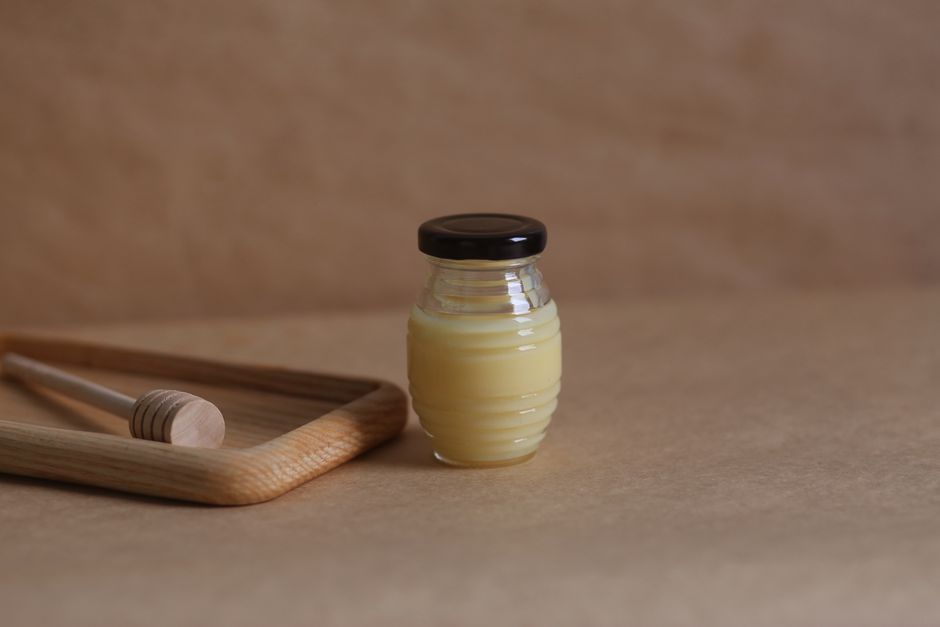
Honey has been valued for thousands of years as a natural sweetener, food ingredient, and product of one of nature's most important pollinators. But not all honey comes from the same type of bee or environment. One particularly interesting topic in the world of beekeeping is african bee honey.
African honey bees live across a vast continent containing tropical forests, grasslands, mountains, deserts, and agricultural regions. The honey produced by these colonies can vary considerably depending on the plants available, climate, season, and location.
For beekeepers and honey enthusiasts, african bee honey offers an opportunity to learn about both the diversity of honey and the remarkable adaptability of honey bees.
Quick answer: "African bee honey" is honey from Apis mellifera populations native to Africa. There's no single flavor — its taste, color, and aroma vary enormously with region, season, and flora.
What Is African Bee Honey?
The term african bee honey generally refers to honey produced by honey bees living in Africa, including various populations and subspecies of Apis mellifera, the western honey bee.
Africa is actually an important part of the natural range of Apis mellifera. Different honey bee populations have adapted to environments ranging from hot tropical regions to dry savannas and mountainous areas.
Like honey produced elsewhere, african bee honey begins with nectar.
Worker bees visit flowers and collect nectar using their proboscis. The nectar is carried back to the colony in the bee's honey stomach, where enzymes begin transforming its sugars. Other worker bees continue processing the nectar before placing it into honeycomb cells.
The bees then reduce the moisture content by circulating air through the hive. Once the honey reaches an appropriate moisture level, the cells are typically sealed with wax.
The result is the concentrated food we know as honey.
What Does African Bee Honey Taste Like?
There isn't one universal flavor for african bee honey.
The flavor depends heavily on the nectar sources surrounding the colony. Honey produced near forests may taste completely different from honey harvested in agricultural areas or dry grasslands.
Depending on its botanical origin, African honey may have flavor characteristics that are:
- Floral and fragrant
- Fruity
- Rich and caramel-like
- Woody or earthy
- Herbal
- Mild and sweet
- Dark and intensely flavored
Color can also range from pale golden yellow to deep amber or extremely dark brown.
This variation is part of what makes honey so interesting. Bees essentially capture the characteristics of the landscape surrounding their colony.
African Honey Bees Are Highly Adaptable
One reason african bee honey is especially interesting is the adaptability of the bees producing it.
African honey bee populations have evolved under environmental conditions that can include drought, intense heat, seasonal rainfall, predators, and rapidly changing food availability.
Colony behavior can therefore differ from the behavior beekeepers commonly associate with European-derived honey bee populations.
Some African honey bee populations may swarm frequently or relocate their colonies when environmental conditions deteriorate. This behavior can help colonies respond to changes in nectar availability, drought, predators, or other pressures.
That adaptability has allowed honey bees to occupy an enormous range of habitats across Africa.
African Bees vs. Africanized Honey Bees
One common source of confusion involves the difference between African honey bees and Africanized honey bees.
They aren't exactly the same thing.
African honey bees include naturally occurring honey bee populations and subspecies found in Africa. Africanized honey bees, meanwhile, developed in the Americas following the introduction of African-origin honey bees to Brazil during the 1950s and subsequent interbreeding with locally established European-derived honey bee populations.
Over time, descendants spread through portions of South America, Central America, Mexico, and the southern United States.
Africanized colonies became widely known for their strong defensive responses when colonies are disturbed.
This history has unfortunately contributed to sensationalized portrayals of African honey bees generally.
Aggressive defensive behavior, however, does not mean the bees produce some fundamentally dangerous type of honey. Honey is a food product created from nectar; defensive behavior relates primarily to colony protection.
Is African Bee Honey Safe to Eat?
Properly harvested and handled african bee honey can be consumed just like other honey.
The bee's genetics do not make ordinary honey inherently dangerous.
As with any honey, however, quality depends on factors including harvesting methods, storage conditions, moisture levels, contamination, processing, and the nectar source.
Consumers should purchase honey from reputable producers who follow appropriate food safety and handling practices.
Honey should also never be given to children younger than 12 months because honey can contain spores associated with infant botulism.
Traditional Beekeeping in Africa
Beekeeping has a long history in many parts of Africa.
Traditional beekeepers have used locally available materials to construct hives, including logs, bark, clay, woven materials, and hollow containers.
Modern African beekeeping increasingly incorporates movable-comb hive systems as well.
One famous example is the Kenya Top Bar Hive.
Instead of using traditional rectangular frames, top-bar hives allow bees to build comb downward from individual wooden bars. The design can be relatively simple to manufacture and operate, making it useful in areas where conventional beekeeping equipment may be expensive or difficult to obtain.
Honey production can also provide an important source of income for rural communities.
A beekeeper does not necessarily need large amounts of farmland to maintain colonies. Bees forage across the surrounding landscape, collecting nectar and pollen while simultaneously providing valuable pollination services.
Why Floral Source Matters
When evaluating african bee honey, one of the most important considerations is floral origin.
Honey is essentially a reflection of the flowers visited by the bees.
Africa contains extraordinary plant diversity, so honey characteristics can differ substantially between regions.
For example, colonies located near forests may have access to completely different nectar sources than colonies maintained near agricultural crops or savanna vegetation.
Seasonality matters too.
When a particular plant produces large amounts of nectar during a relatively short period, bees may collect enough nectar from that source to significantly influence the honey's flavor, aroma, and color.
This same principle explains why familiar honey varieties elsewhere can taste so different from one another.
Raw African Bee Honey
Consumers interested in african bee honey may encounter products advertised as "raw honey."
Raw honey generally refers to honey that has undergone relatively limited processing, although definitions can vary among producers and markets.
Some raw honey may contain tiny particles of pollen, wax, or propolis that would otherwise be removed through extensive filtration.
Another natural characteristic consumers sometimes misunderstand is crystallization.
Crystallized honey is not necessarily spoiled.
Most natural honey eventually crystallizes because it contains significant concentrations of glucose and fructose. The rate of crystallization depends on its sugar composition, temperature, storage conditions, and other factors.
Some honey crystallizes quickly, while other varieties remain liquid much longer.
African Bee Honey and Pollination
Honey may receive most of the attention, but the ecological value of bees extends far beyond the honey jar.
Honey bees pollinate flowering plants while searching for nectar and pollen. During a flower visit, pollen can attach to the bee's body and subsequently reach another flower.
This process contributes to plant reproduction and agricultural production.
Supporting responsible beekeeping can therefore provide benefits beyond african bee honey production. Managed colonies can contribute to agricultural pollination while providing beekeepers with marketable products such as honey and beeswax.
Buying African Bee Honey
If you want to purchase authentic african bee honey, pay attention to labeling and sourcing.
Look for information identifying the country or region of origin. A reputable seller may also provide details about the beekeeper, floral source, harvesting practices, or cooperative responsible for producing the honey.
Be cautious of vague marketing claims.
Words such as "natural," "wild," "pure," and "raw" can sound impressive, but the most useful information is often specific: Where was the honey harvested? Who produced it? What flowers were available? Was anything added to it?
Traceability becomes especially important when purchasing specialty or imported honey.
How to Use African Bee Honey
There are countless ways to enjoy african bee honey.
It can be drizzled over oatmeal, yogurt, biscuits, toast, or fruit. It can replace refined sugar in certain recipes and beverages. Darker, stronger varieties can work particularly well in marinades, sauces, and glazes.
One of the best ways to appreciate an unfamiliar honey is also the simplest.
Taste a small spoonful by itself.
Notice the aroma first and then the initial sweetness, texture, floral notes, and flavors that remain afterward. Comparing honey from different regions can reveal just how much geography and vegetation influence the final product.
The Future of African Bee Honey
Growing international interest in traceable, regionally produced foods could create additional opportunities for African beekeepers.
Consumers increasingly want to know where their food originates and how it was produced. Honey fits particularly well into this trend because its flavor can be closely connected to a specific landscape.
Responsible development of the african bee honey market could potentially support beekeepers, rural economies, pollination, and habitat conservation simultaneously.
Protecting healthy landscapes remains essential. Bees require diverse sources of nectar, pollen, water, and suitable habitat to thrive.
Final Thoughts on African Bee Honey
African bee honey represents much more than another natural sweetener. It provides a fascinating connection between honey bees, flowering plants, local ecosystems, agriculture, and centuries of beekeeping traditions.
Its flavor and appearance can vary dramatically depending on where the colony lives and which flowers the bees visit. That regional diversity is precisely what makes african bee honey worth exploring.
For beekeepers, it offers another opportunity to understand how honey bee genetics, climate, vegetation, and management practices interact. For consumers, it provides the chance to experience honey connected to some of the world's most diverse landscapes.
The next time you see african bee honey for sale, take a closer look at its origin. Behind every jar is a colony of thousands of bees—and a landscape full of flowers that helped create it.